Baby Stroller Embroidery: A Designer’s Craft Fair Review
As an embroidery designer who has spent countless weekends behind a craft fair table, I have learned that not every design translates equally well from the screen to the hoop. When I first pulled up the Baby Stroller machine embroidery design, my immediate goal was to determine its viability for a high-traffic handmade market booth. The product description promises a high-quality embroidery design suitable for pillows, t-shirts, and sweatshirts, noting that it comes with multiple embroidery file formats. For those of us running small shop products or Etsy seller accounts, this versatility is the first green flag. However, the true test lies in how the design performs on actual fabric under the harsh lighting of a convention center or the soft glow of an online listing.
First Impressions: Mood and Market Fit
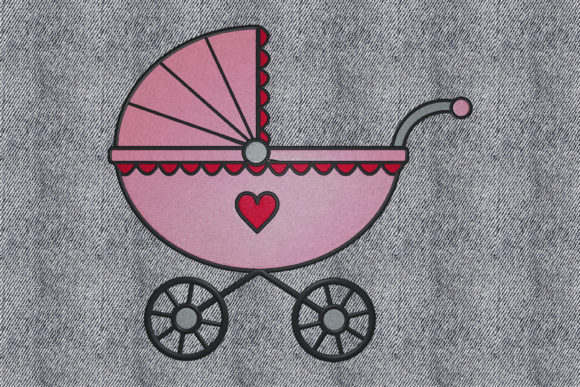
The Baby Stroller motif inherently leans into the Babies category, evoking feelings of nostalgia, care, and modern parenting. In my review, the design feels less like a rustic farmhouse piece and more like a clean, contemporary accent. It strikes a balance between cute and minimal, which is crucial for appealing to modern parents who often prefer subtle decor over loud, cartoonish graphics. This aesthetic makes it a strong candidate for a craft fair product aimed at baby showers, new parent gifts, or nursery updates. The visual appeal is immediate; it is easy to understand at a glance, which is vital when customers are walking past your booth at speed. If they have to stop and squint to figure out what the image is, you have likely lost the sale.
Product Versatility and Best Uses
One of the strongest aspects of this design is its adaptability across various substrates. I evaluated where Baby Stroller would stand out most in a real-world scenario. Here is how it performs on key items:
- Tote Bag Design: This is arguably the best application. A canvas tote with a centered stroller embroidery serves as a functional diaper bag or market bag. The design acts as a focal point without overwhelming the fabric.
- Apron Embroidery: For a boutique maker, placing this on a child-sized apron or a "mommy and me" set creates an emotional connection. It works well as a chest pocket accent.
- Tea Towel Embroidery: Kitchen linens are staple sellers. However, one must be cautious with fabric texture. Terry cloth or waffle weave can distort fine details, so a smooth linen or cotton blend is preferred for clarity.
- Embroidered Patch: If the design holds up at a smaller scale, turning it into an iron-on or sew-on patch allows customers to customize their own denim jackets or backpacks. This increases the perceived value of the digital embroidery file by offering a physical, versatile accessory.
- Pillow Covers: As mentioned in the product description, pillows are a primary use case. A neutral-colored pillow with this design fits seamlessly into modern nursery decor, making it a premium handmade product.
Production Practicality for Batch Selling
When preparing for a weekend craft fair, efficiency is everything. I look for designs that are repeatable for batch production. The Baby Stroller design appears to have a balanced stitch density, which suggests it will not take hours to complete per unit. This is critical for keeping labor costs down and ensuring you have enough stock for the display. However, practical selling points depend on execution. The design must photograph well for your Etsy listings and printable mockup assets. High contrast thread colors against light fabrics usually yield the best online engagement, while tonal threads (such as cream on white) offer a sophisticated, understated look for in-person buyers who appreciate subtlety.
Careful-Use Notes and Technical Considerations
While the design is versatile, there are technical pitfalls to avoid. As an experienced designer, I advise checking the following before committing to a large production run:
- Dense Stitch Areas: Inspect the wheels and handle of the stroller. If these areas are too dense, they can cause puckering, especially on lighter fabrics like t-shirt jersey. Always use the appropriate stabilizer to counteract pull.
- Tiny Details: Small elements may get lost if the hoop size is too large relative to the design. Ensure the design is scaled correctly for the intended product. A design that looks crisp at 4x4 inches may become muddy if resized incorrectly for a larger hoop.
- Fabric Texture: Avoid using this on highly textured towels unless you are certain the stitches will bridge the gaps. Smooth cotton or poly-cotton blends provide the cleanest finish.
- Curved Surfaces: If applying this to caps, remember that curved cap surfaces require specific digitizing adjustments or careful hooping to prevent distortion. Standard flat embroidery files may not lay perfectly on a structured cap without testing.
- Dark Fabric: If stitching on dark navy or black, ensure the design does not rely on fine outlines that might disappear. Using a lighter thread color or adding a satin border can help the Baby Stroller pop against dark backgrounds.
Enhancing Brand Consistency and Buyer Engagement
Incorporating Baby Stroller into your lineup can strengthen brand consistency if your shop focuses on family-oriented or nursery-themed items. It signals to the buyer that you understand their niche. For commercial embroidery purposes, this design adds variety to your portfolio. When displayed in a booth, pair the embroidered items with complementary goods, such as organic cotton onesies or wooden toys, to create a cohesive vignette. This context helps buyers visualize the finished product in their own homes, increasing buyer engagement and conversion rates.
Designer’s Checklist Before Production
Before you load this digital embroidery file into your machine for a production run, follow these essential steps to ensure quality:
- Test on Scrap Fabric: Never skip the test stitch. Use the exact fabric and stabilizer combination you plan to sell.
- Check Thread Contrast: Verify that your chosen thread colors provide enough definition for the design’s lines and shapes.
- Review Spacing: Ensure elements are not too close together, which can cause thread breaks or nesting.
- Confirm Hoop Size: Match the design dimensions to your available hoops to maximize efficiency.
- Inspect Stitch Density: Look for areas that might be too heavy for lightweight fabrics and adjust tension if necessary.
- Create a Real Mockup: Photograph the actual stitched item rather than relying solely on digital renderings. Authentic photos build trust with Etsy sellers and direct customers.
- Compare Fabric Colors: Test the design on at least three different fabric shades to see which offers the best visual impact.
- Confirm Commercial Licensing: The product description mentions it can be used for various items, but always verify the specific license terms included with the design assets to ensure you are compliant for selling finished products.
In conclusion, the Baby Stroller embroidery design is a solid contender for craft fair vendors and handmade market entrepreneurs. Its strength lies in its emotional resonance with the target audience and its flexibility across multiple product types. By paying attention to stitch density, fabric choice, and presentation, you can transform this simple digital file into a best-selling staple of your small shop. Whether used for a charming tea towel embroidery or a standout tote bag design, it offers the professional polish needed to compete in today’s creative marketplace.