Pig Embroidery Design: A Designer’s Real-World Review
As an embroidery designer who spends more time staring at stitch maps than finished garments, I have learned that a cute concept does not always translate into a clean finished product. When I first loaded the Pig machine embroidery design onto my workstation, my initial reaction was cautious optimism. The silhouette is charming, fitting squarely into the popular Farm Animals category, but charm alone does not sell handmade products. Clarity, durability, and stitch efficiency do.
I approached this review not as a marketer, but as a practitioner. I wanted to know if this embroidery file could withstand the rigors of a real embroidery project. Could it handle the stretch of a toddler’s onesie? Would it look professional on a boutique tote bag? Here is my breakdown of how this design performs in the wild.
First Impressions: Mood and Visual Personality
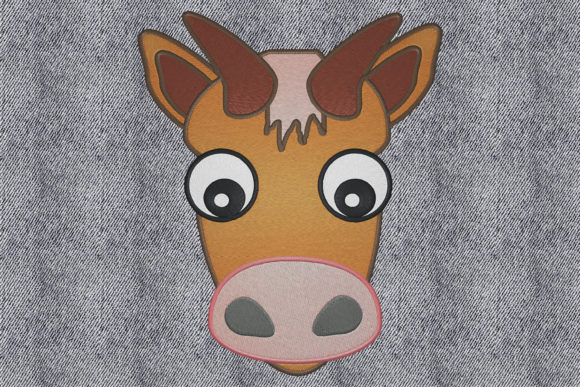
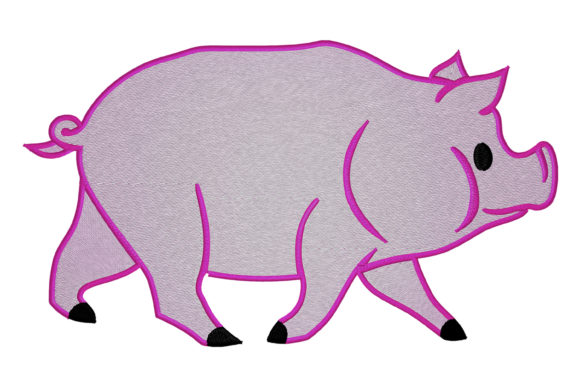
The Pig design exudes a playful, rustic warmth. It avoids the overly complex shading that often plagues digital assets, opting instead for a cleaner aesthetic that relies on shape and color blocking. This is a smart move for commercial embroidery, where excessive detail can lead to thread breaks and long run times. The visual personality is approachable, making it an ideal candidate for baby embroidery, nursery decor, or whimsical custom apparel.
From a layout perspective, the balance feels solid. The proportions suggest a design that was digitized with an understanding of how thread pulls on fabric. It does not look like a simple auto-digitized conversion of a clipart image. There is intentionality in the curves, which gives the pig a friendly, rounded appearance that appeals to a broad demographic, from parents buying personalized gifts to adults looking for quirky kitchen textiles.
Real-World Application: Where This Design Shines
To truly test the viability of this asset, I mentally placed it into several common production scenarios. The versatility of the Pig design is its strongest selling point for Etsy sellers and small shop product creators.
- Sweatshirt Embroidery: On a heavyweight cotton fleece, this design would likely pop beautifully. The presumed use of fill stitch areas provides enough coverage to stand out against the textured background of the fabric without getting lost.
- Tote Bag Design: For canvas totes, the sturdy nature of the design holds up well. It serves as a focal point without overwhelming the bag’s utility. It is perfect for spring markets or farm-to-table branding.
- Holiday Embroidery: With minor tweaks to the thread colors—perhaps adding a scarf or changing the background hue—this becomes a instant hit for Christmas stockings or Easter baskets. Its adaptability makes it a valuable addition to any design assets library.
- Embroidered Patch: If you are creating iron-on or velcro-backed patches, the defined edges of this design suggest it would cut cleanly. It maintains its integrity even when scaled down slightly for smaller applications.
For craft business owners, the ability to use this across multiple product lines increases its return on investment. It is not just a one-off graphic; it is a versatile tool for building a cohesive brand identity centered around warmth, nature, or childhood nostalgia.
Technical Considerations and Potential Pitfalls
While the design is strong, no digital embroidery file is universal. There are specific contexts where you must exercise caution. Understanding these limitations is what separates amateur hobbyists from professional apparel decorators.
Fabric Texture and Stability: If you plan to stitch this on thin or stretchy fabric, such as a lightweight jersey t-shirt, you must be diligent with your stabilizer choice. The density of the pig’s body, likely composed of satin or fill stitches, can cause puckering if the fabric is not properly supported. I recommend a cut-away stabilizer for garments that will be washed frequently, ensuring the design remains flat and crisp over time.
Small Hoop Sizes: Always check the specific dimensions before purchasing. While the description notes it comes in multiple formats, attempting to force a large design into a 4x4 hoop will result in loss of detail. If you are working with hoop size constraints, ensure you have the correctly scaled version of the file. Shrinking a design beyond 10-15% of its original size can cause stitches to merge, turning distinct features into a tangled mess of thread.
Dark Fabric Challenges: Stitching a light-colored pig on dark navy or black fabric requires careful planning. You may need to add an underlay or use a lighter backing thread to prevent the dark fabric from showing through the satin stitch borders. A test run on scrap fabric is non-negotiable here. Do not risk your final custom apparel piece without verifying the contrast.
Enhancing Product Value and Customer Trust
In the world of online sales, particularly for printable mockup previews and digital listings, the quality of your embroidery directly impacts perceived value. A clean, well-executed Pig design signals professionalism. It tells the customer that you care about the longevity and aesthetics of their personalized gift.
When used in nursery decor or wedding gifts (think rustic barn themes), the emotional connection is immediate. Customers are not just buying a stitched animal; they are buying a feeling of comfort and whimsy. By ensuring the stitch clarity is high and the thread colors are vibrant, you enhance the giftability of the item. This leads to better reviews, repeat customers, and higher engagement on social media platforms where visual appeal drives sales.
Practical Notes for the Embroidery Designer
Before you commit to producing a batch of these for your small business merchandise, take these practical steps:
- Test on Scrap Fabric: Never skip this step. Use the same fabric type and weight you intend to use for the final product. Check for puckering, thread breaks, or registration issues.
- Review Stitch Density: Although exact counts are not provided in the brief description, visually inspect the file in your software. If the density seems too high for your fabric, consider editing the underlay or reducing the fill density slightly to improve flexibility.
- Check Licensing: The product description mentions it can be used for multiple purposes, but always confirm the specific license terms. Can you sell the finished product? Can you share the digital embroidery file? Clarify this before listing items on Etsy or other marketplaces.
- Mockup Testing: Create printable mockups in both light and dark variations. This helps you visualize how the design interacts with different backgrounds and allows you to market the item more effectively to a wider audience.
- Inspect Small Details: Zoom in on the eyes and snout. These are the focal points of the character. Ensure the running stitch or satin details here are tight and precise. Loose threads in facial features can make the entire design look sloppy.
In conclusion, the Pig machine embroidery design is a robust, versatile asset for any creator working within the Farm Animals niche. It balances aesthetic appeal with practical stitchability, making it suitable for everything from sweatshirt embroidery to kitchen towel accents. By respecting the technical requirements of fabric and stabilization, you can leverage this design to create high-quality, profitable handmade products that resonate with customers. It is a solid addition to your library, provided you approach it with the precision and care that professional Embroidery demands.