Magic Hat Embroidery Review for Boutique Apparel
As an embroidery designer who spends countless hours digitizing and testing designs for client collections, I have learned that the success of a seasonal apparel line often hinges on the versatility of the artwork. When browsing Creative Fabrica embroidery options for my upcoming autumn inventory, I stopped to closely examine the Magic Hat design. This piece caught my eye not just for its thematic relevance, but for its potential application across various garment types. For boutique owners and Etsy sellers looking to expand their Halloween or cozy seasonal offerings, understanding how a specific machine embroidery design translates from a digital file to a physical product is crucial.
Visual Personality and Stitching Mood
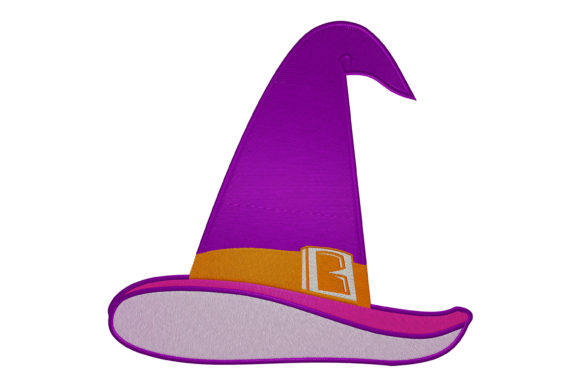
The first impression of Magic Hat is one of playful charm with a touch of whimsical mystery. It does not scream "spooky" in a aggressive or horror-centric way; instead, it leans into the cute and trendy side of the holiday. The visual personality suggests a design that works equally well for children’s wear and adult fashion that embraces a lighthearted aesthetic. The stitching mood appears balanced, avoiding excessive density that can stiffen fabric, which is a common concern when working with softer materials like fleece or cotton blends.
For a boutique brand, this distinction is vital. Customers are increasingly seeking items that feel premium yet approachable. A design that is too dense or complex can look industrial, whereas Magic Hat offers a decorative strength that feels handmade and curated. Whether you are aiming for a minimal look on a neutral sweatshirt or a bold statement on a dark hoodie, the design’s structure allows it to adapt. It feels classic enough to remain relevant beyond a single season if marketed as part of a broader "cozy magic" collection, rather than strictly limiting it to October 31st.
Performance on Sweatshirts and Hoodies
The primary consideration for any sweatshirt embroidery project is how the design interacts with the fabric texture. Fleece and French terry cloth have a pile that can swallow small details. In my assessment, Magic Hat holds up well for standard chest placements on hoodies. The lines appear distinct enough to maintain clarity without requiring an overly large hoop size, making it ideal for left-chest branding or center-chest focal points.
When planning a hoodie design for an online shop, I often recommend testing sleeve accents. This design could work beautifully as a smaller accent on the cuff or upper arm of an oversized garment. However, one must be cautious with curved surfaces. Before committing to a full production run, it is essential to test on scrap fabric similar to your final garment. Check how the stabilizer interacts with the stretch of the ribbed cuffs versus the body of the sweatshirt. A proper cut-away stabilizer is usually recommended for knit fabrics to prevent puckering, ensuring the finished product looks professional and durable.
For back designs, the scale might need adjustment. If the embroidery file allows for resizing without compromising stitch integrity, enlarging Magic Hat for a back placement can create a striking look on oversized crewnecks. Always inspect the stitch density after resizing. If the design becomes too sparse, it may look unfinished; if too dense, it may cause the fabric to bunch. Reviewing the product details on Creative Fabrica is necessary to confirm if multiple sizes are included or if manual digitizing adjustments are required for larger applications.
Versatility Across Apparel and Accessories
Beyond heavy knits, the versatility of Magic Hat extends to lighter garments and accessories. For t-shirt embroidery, the design’s weight must be considered. On a lightweight cotton tee, a heavy design can cause dragging. If the stitch count is moderate, it can serve as a charming pocket accent or a central graphic on pastel hoodies and light-colored tops. The contrast of thread colors against dark apparel is particularly effective here. Using metallic or vibrant threads can make the hat pop against black or navy backgrounds, enhancing the magical theme.
Tote bag design is another lucrative avenue for this artwork. Canvas bags provide a stable, woven surface that handles embroidery exceptionally well. Placing Magic Hat on a tote creates a functional piece of lifestyle merchandise that customers love for grocery runs or library visits. This expands the utility of your custom apparel line into everyday accessories. Furthermore, denim jackets offer a rugged canvas where the whimsical nature of the hat creates an interesting juxtaposition. The sturdy fabric supports detailed stitching, allowing for high-definition results that elevate the perceived value of the item.
Enhancing Brand Identity and Buyer Trust
In the world of online sales, visual consistency drives buyer trust. Using a cohesive design element like Magic Hat across different products helps establish brand recognition. When customers see the same high-quality motif on a sweatshirt, a tote, and a t-shirt, it signals a professional operation. This consistency aids in creating compelling social media graphics and printable mockups. High-resolution images of the embroidered design on various textures can significantly boost engagement on platforms like Instagram and Pinterest.
For an Etsy seller or small shop owner, the perceived value of a handmade product is directly linked to the quality of the execution. A clean, well-stitched design communicates care and expertise. It transforms a basic garment into a boutique item. Commercial embroidery projects benefit from this attention to detail, as it reduces return rates and increases positive reviews. When customers receive a product that matches the pristine quality of the digital preview, their confidence in your brand grows, leading to repeat business.
Practical Designer Notes for Production
Before launching any collection featuring Magic Hat, there are several technical steps every designer should take. First, always confirm the specific file formats included in the download. While the description notes multiple embroidery file formats, verifying compatibility with your specific machine brand is non-negotiable. Check the hoop size requirements to ensure your equipment can accommodate the design without re-hooping, which can lead to alignment issues.
Thread color selection plays a massive role in the final outcome. Experiment with different palettes to see what best suits your target audience. Traditional orange and black may fit the Halloween theme, but pastel pinks and purples could appeal to a year-round "witchy" aesthetic. Test these combinations on actual fabric swatches. Lighting in product photos can distort colors, so physical testing ensures accuracy.
Additionally, review the licensing terms provided by Creative Fabrica. Understanding the rules for commercial use is critical for selling finished apparel. Ensure you are compliant with any restrictions on volume or modification. Finally, always perform a test stitch on the exact garment type you intend to sell. Fabric tension, thickness, and elasticity vary widely between brands. A test run allows you to adjust tension settings and stabilizer choices, preventing costly mistakes in a large batch.
In conclusion, Magic Hat presents a strong opportunity for decorators looking to add character to their seasonal lines. Its balance of charm and simplicity makes it adaptable for sweatshirts, tees, and accessories. By paying close attention to fabric preparation, stabilizer choice, and strategic placement, you can leverage this design to create standout pieces that resonate with customers seeking unique, high-quality handmade goods.