Cowboy Boot in Leather Color: A Designer’s Review
As an embroidery designer who has spent years digitizing and testing files for small business clients, I approach every new machine embroidery design with a critical eye. It is not just about whether the image looks pretty on a screen; it is about how it translates to fabric, how it holds up under stress, and how it serves the brand identity of the business using it. Recently, I evaluated the Cowboy Boot in Leather Color design, and I want to share my professional assessment for shop owners, apparel decorators, and handmade brands considering this asset for their product lines.
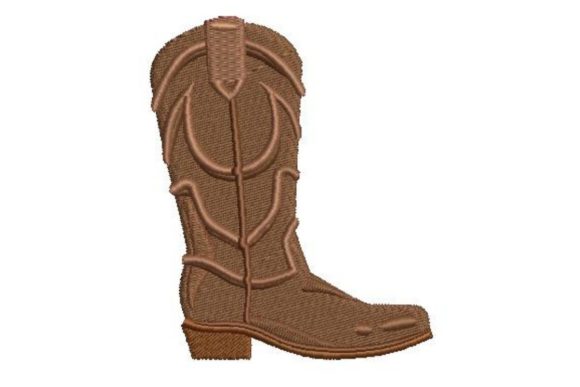
The first impression of this design is one of rustic elegance. The title suggests a warm, earthy palette, which immediately signals a connection to countryside aesthetics, western wear, and artisanal quality. For businesses operating in the boutique, café, or creative studio sectors, this visual language is powerful. It does not scream for attention with neon brightness; instead, it invites closer inspection. This subtlety is crucial for brand identity. When you place a logo or graphic on merchandise, you want it to feel like an integrated part of the garment, not a sticker slapped on top. The Cowboy Boot in Leather Color achieves this by offering a classic, decorative look that complements rather than overwhelms the base material.
Real-World Applications for Small Business Merch
When I test a new digital embroidery file, I mentally map it onto various products to see where it adds the most value. For this specific design, the applications are versatile but require strategic placement. Here is how I envision it working in a commercial setting:
- Embroidered Patches: This is perhaps the strongest use case. A patch allows for controlled stitching on a stable background before being applied to the final product. The leather color tones would look exceptional on denim or canvas patches, creating a vintage, worn-in appeal that customers love.
- Apron Embroidery: For bakeries, florists, or craft breweries, staff uniforms are walking advertisements. Placing this boot design on the chest pocket or lower corner of a heavy-duty apron adds a touch of personality. It suggests craftsmanship and attention to detail, reinforcing the perceived value of the service provided.
- Cap Embroidery: Front-panel caps are a staple of small business merch. However, curved surfaces are tricky. If the design is too wide, it will distort. Assuming the proportions are balanced, this boot motif could work beautifully on the side panel of a trucker hat or centered on a structured cap, provided the stitch count is optimized for the curve.
- Tote Bag Design: Canvas totes are popular for retail packaging and customer gifts. The rustic nature of the cowboy boot pairs naturally with natural fiber fabrics. A single, well-placed boot on a tote bag creates a minimalist yet branded look that encourages reuse.
Beyond these items, consider using it as an accent on custom apparel like denim jackets or flannel shirts. For Etsy sellers and crafters, this design can serve as a key element in a larger collection of western-themed design assets, allowing for cohesive product launches.
Technical Considerations and Production Notes
While the aesthetic appeal is high, the technical execution determines the quality of the finished product. As a designer, I must advise caution in several areas. The description mentions "lovely features" and a "fancy touch," which often implies detailed satin stitches or complex fills. These details can be problematic if not managed correctly.
First, consider stitch density. If the design is too dense, it can cause puckering, especially on lighter fabrics like cotton t-shirts. Always test the file on a scrap piece of your intended material. Use a cut-away stabilizer for stretchy fabrics and a tear-away for woven materials like denim or canvas. The stability of the hoop is also critical; ensure your hoop size accommodates the entire design without needing to re-hoop, which can lead to alignment issues.
Second, think about thread colors. The "leather color" implication suggests browns, tans, and creams. These are low-contrast colors when stitched on similar backgrounds. To ensure visibility, you must choose fabric colors that provide enough contrast. A tan boot on a beige shirt will vanish. Instead, try it on navy, black, or deep green fabrics. Conversely, if you are stitching on dark uniforms, ensure the design includes enough light-colored threads to pop, or consider outlining the boot in a contrasting thread to define the shape.
Third, be mindful of scale. If you intend to use this as a small chest logo, verify that the intricate details do not become a jumbled mess of thread. Small patch sizes require simplified designs. If the original file is large, you may need to resize it carefully, checking for overlapping stitches or gaps that occur when scaling down. I always recommend creating a printable mockup at actual size to visualize the impact before committing to production.
Enhancing Brand Identity and Customer Trust
Why does the choice of design matter so much? Because every stitch contributes to your brand identity. A sloppy or poorly chosen embroidery design can make a business look amateurish. In contrast, a well-executed design like the Cowboy Boot in Leather Color signals professionalism. It tells the customer that you care about the details.
For handmade brands, this is even more critical. Buyers on platforms like Etsy are looking for authenticity. A rustic, western-themed embroidery element reinforces the narrative of handcrafted quality. It differentiates your product from mass-produced imports. When a customer receives a tote bag or apron with this design, they perceive it as a premium item, which can justify higher price points and increase customer loyalty.
Moreover, visual consistency across your product line builds recognition. If you use this boot design on your patches, caps, and packaging accents, you create a cohesive visual language. Customers begin to associate that specific boot silhouette with your brand. This recognition is invaluable for long-term growth and marketing efficiency.
Final Verdict and Practical Steps
Before you purchase or begin production with the Cowboy Boot in Leather Color, take these practical steps to ensure success:
- Check the Specifications: The product description does not list exact stitch counts, file formats, or dimensions. Contact the seller or check the download package for this information. Ensure the file format is compatible with your machine (e.g., PES, DST, JEF).
- Test on Real Fabric: Do not rely solely on digital simulations. Stitch out the design on the actual fabric you plan to use. Check for tension issues, thread breaks, or fabric distortion.
- Review Commercial Licensing: Confirm that the license allows for commercial use if you plan to sell items featuring this design. Most digital embroidery files have specific terms regarding mass production versus small batch sales.
- Create Mockups: Use photo editing software to place the design on images of your products. This helps you decide on placement and size without wasting thread and fabric.
- Evaluate Contrast: Test the design in black and white first to see if the shape holds up without color. If the form is lost in grayscale, it may be too detailed for small applications.
In conclusion, the Cowboy Boot in Leather Color is a promising addition to any commercial embroidery library, particularly for businesses targeting a rustic, western, or artisanal market. Its strength lies in its ability to add a fancy, countryside touch to everyday items. However, its success depends entirely on thoughtful application. By paying attention to fabric texture, stabilizer choice, and color contrast, you can transform this digital file into a tangible asset that enhances your brand and delights your customers. Treat it not just as a decoration, but as a strategic tool in your merchandising toolkit.