Happy Turtle: A Designer’s Review for Handmade Gifts
As an embroidery designer who has spent countless hours behind the hoop, I know that finding the right machine embroidery design is about more than just aesthetics. It is about reliability, emotional resonance, and practical application. When I first encountered Happy Turtle on Creative Fabrica, I was immediately drawn to its whimsical charm. In a market saturated with generic motifs, this piece stands out as a delightful option for creators looking to add a touch of warmth to their handmade product lineup.
This review explores how Happy Turtle performs in real-world scenarios, from baby showers to cozy home decor projects. Whether you are an experienced Etsy seller or a hobbyist creating gifts for family, understanding the nuances of this design can help you deliver higher quality finished products.
The Visual Appeal and Emotional Connection
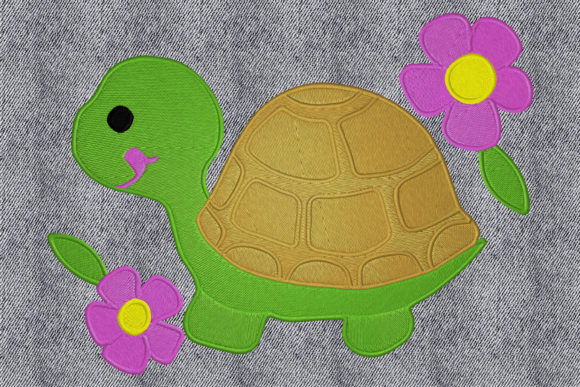
The first thing that strikes you about Happy Turtle is its approachable sweetness. While it falls under the Reptiles category, it avoids any cold or clinical associations. Instead, it exudes a playful, cozy vibe that feels inherently safe and welcoming. This is crucial when designing for sensitive markets like baby embroidery or nursery decor. The lines appear soft, suggesting a design that stitches out cleanly without excessive bulk.
For customers seeking a personalized gift, the emotional value of a turtle symbolizes longevity, patience, and steady love. These are beautiful sentiments to embed in a wedding gift or a family keepsake. The design’s simplicity allows it to feel modern yet timeless, making it versatile enough for both contemporary minimalist homes and traditional craft styles. When you stitch this out, you are not just selling Embroidery; you are selling a feeling of comfort.
Versatile Applications for Your Small Shop
One of the strongest assets of Happy Turtle is its adaptability across various substrates. As a small shop product, versatility equals profitability. Here is how I envision this design working in different commercial and personal contexts:
- Baby Items: This design is perfect for blanket embroidery on soft minky or cotton blends. It also works beautifully on burp cloths and onesies, provided you adjust your stabilizer for stretchy fabrics.
- Home Decor: Imagine this turtle stitched onto a linen pillow cover for a child’s reading nook. The organic shape complements natural fabrics like cotton, linen, and canvas tote bags.
- Kitchen Textiles: An embroidered towel featuring Happy Turtle makes for a charming housewarming present. The design’s scale seems appropriate for hand towels, adding a pop of personality to everyday items.
- Apparel: For adult or children’s clothing, such as t-shirts and sweatshirts, the design offers a cute focal point. It pairs well with pocket placements or center-chest positions.
For commercial embroidery projects, the ability to use this single design across multiple product lines simplifies inventory management. You can create cohesive collections, such as a "Nature Friends" series, which enhances brand recognition for your Etsy listings.
Technical Considerations for Professional Results
While the visual appeal is strong, a professional designer must look at the technical execution. The product description notes that this is a high-quality design coming with multiple embroidery file formats. This is essential for compatibility with various machines. However, before running a full production batch, there are several practical concerns to address.
Fabric Texture and Stabilizer Choice
The success of any custom embroidery project depends heavily on the interaction between thread, fabric, and stabilizer. For textured towels, you may need a cut-away stabilizer to prevent puckering, especially if the stitch density is high. On stretchy baby clothes, a lightweight tear-away or fusible stabilizer might be preferable to maintain softness against the skin. Always test on a scrap piece of your actual fabric first.
Thread Colors and Contrast
Happy Turtle likely relies on specific thread colors to define its features. When stitching on dark fabric, ensure you have high-contrast threads or consider using a white underlay if the design supports it. Conversely, on light pastels, subtle tonal variations can create a sophisticated, elegant look. I recommend creating a color chart for your most popular fabric bases to streamline future orders.
Hoop Size and Placement
Although the exact dimensions are not specified in the brief description, you must confirm the required hoop size before purchasing. Ensure your machine’s hoop capacity matches the design’s footprint. Proper placement is key; for instance, centering the turtle on a tote bag requires precise marking to avoid skewing, which can detract from the perceived quality of the finished product.
Enhancing Customer Trust and Perceived Value
In the world of online sales, particularly for digital embroidery file users who sell physical goods, presentation is everything. A well-executed Happy Turtle stitch-out can significantly boost buyer engagement. Clean edges, consistent tension, and vibrant colors signal professionalism. These details build customer trust, leading to repeat business and positive reviews.
To maximize this effect, consider investing time in your product photography. Use natural lighting to highlight the texture of the stitches. Create a printable mockup or stage the item in a lifestyle setting—such as a turtle pillow on a cozy sofa or an embroidered onesie in a nursery basket. This helps customers visualize the giftability of the item, increasing the likelihood of purchase.
Furthermore, offering customization options can elevate the perceived value. While the design itself is fixed, you can offer personalized additions, such as a name or date, in a complementary font. This transforms a standard machine embroidery design into a unique heirloom.
Best Practices for Using Happy Turtle
To ensure the best results with this design, follow these steps before fulfilling customer orders:
- Create a Test Stitch-Out: Never skip this step. Stitch the design on the same type of fabric you intend to sell. Check for thread breaks, nesting, or registration issues.
- Review Small Details: Inspect the eyes and shell patterns closely. If any elements are too delicate, consider simplifying them or adjusting the tension settings on your machine.
- Check Licensing Terms: Before selling finished products, always review the license terms on Creative Fabrica. Understand whether the license covers commercial use and if there are any restrictions on volume or platform.
- Verify File Formats: Ensure the downloaded package includes the format compatible with your specific embroidery machine. Common formats include PES, DST, and JEF, but confirmation is necessary.
- Wash Testing: Wash and dry your test piece to check for durability. Ensure the threads do not bleed and the design remains intact after laundering. This is critical for baby items and kitchen textiles.
By adhering to these guidelines, you mitigate risk and ensure that every item bearing Happy Turtle meets high standards of quality. This diligence reflects well on your brand and reassures customers that they are receiving a premium handmade product.
Final Thoughts on This Creative Fabrica Find
Happy Turtle is a charming addition to any embroidery designer’s library. Its blend of playful character and versatile application makes it suitable for a wide range of personalized gift ideas. From wedding gifts to everyday home decor, this design offers the flexibility needed for a thriving small business.
Remember, the key to success lies not just in the design itself, but in how you execute it. Pay attention to fabric choice, stabilizer selection, and presentation. By treating each stitch with care, you transform a simple digital embroidery file into a cherished keepsake. For those looking to expand their repertoire with sweet, nature-inspired motifs, Happy Turtle is certainly worth exploring on Creative Fabrica.