Hustle Embroidery Design Review for Business Merch
As an embroidery designer who has spent years digitizing and testing files for commercial use, I approach every new machine embroidery design with a critical eye. It is not just about whether a pattern looks pretty on a screen; it is about how it performs under the needle, how it holds up after fifty washes, and most importantly, how it elevates a brand. Today, I am reviewing Hustle, an Inspirational piece that promises to bring lively energy to outfits and home decor. For small business owners, this review focuses on its viability for branded merchandise, staff uniforms, and customer gifts.
First Impressions: Visual Personality and Brand Fit
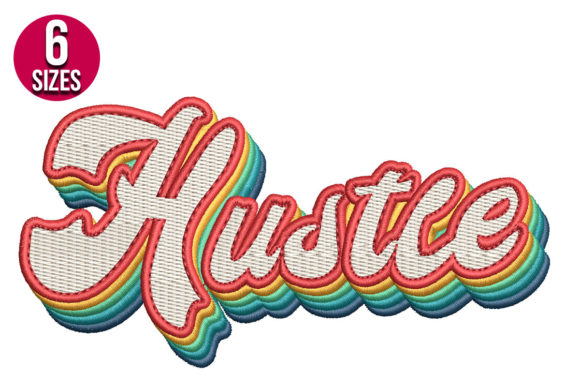
The title Hustle immediately sets a tone of ambition, drive, and modern entrepreneurship. When evaluating the visual personality of this design, it feels less like a rustic or classic motif and more like a bold, contemporary statement. For businesses in the creative sector—such as co-working spaces, boutique coffee shops, or digital marketing agencies—this aesthetic aligns perfectly with a culture of productivity and passion. The description notes that it is "inspirational and lively," which suggests a design that avoids being too stiff or corporate. Instead, it offers a friendly yet professional vibe that can humanize a brand.
For handmade brands and Etsy sellers, the appeal lies in the authenticity of the message. Customers today connect with narratives of hard work and craftsmanship. Using Hustle on your packaging or product labels signals that you are personally invested in your craft. However, because the theme is motivational, it is crucial to ensure the digitization matches the sentiment. A sloppy stitch-out can undermine the message of excellence implied by the word itself.
Real-World Applications for Small Business Merch
The versatility of this digital embroidery file is its strongest asset for commercial embroidery projects. Here is how I envision Hustle performing across various product lines:
- Staff Uniforms and Aprons: For cafes and bakeries, embroidering Hustle on the chest pocket of an apron creates a sense of team spirit. It transforms a standard uniform into a statement piece that customers notice. The key here is placement; a left-chest position keeps it professional without being overwhelming.
- Embroidered Patches: This design is ideal for creating iron-on or sew-on patches. Patches allow for low-risk experimentation. You can produce a batch of Hustle patches and apply them to tote bags, jackets, or hats as limited-edition drops. This strategy works exceptionally well for streetwear brands or creative studios looking to sell small business merch without committing to full garment production runs.
- Cap Embroidery: Front-panel cap embroidery is a high-value item. If the design width fits within standard cap hoops, it becomes a premium accessory. Caps are walking billboards, and a clean, bold rendition of Hustle can significantly boost brand visibility at events or markets.
- Tote Bag Design: Canvas tote bags are staples for bookstores, florists, and grocery brands. Embroidering this inspirational quote on a heavy-duty canvas bag adds texture and perceived value. Unlike printed ink, embroidery does not crack or fade, ensuring the finished product remains pristine through daily use.
Technical Considerations and Stitch Performance
While the concept is strong, the execution depends entirely on the technical quality of the embroidery file. The product description mentions that the design comes with multiple options, which is a positive sign for adaptability. However, before running a large production batch, you must address several technical factors.
Stitch density is a primary concern. If the design uses heavy satin stitches for lettering, it may pull on lightweight fabrics like thin cotton tees or silk blends. For custom apparel made from lighter materials, you might need to add a tear-away stabilizer to prevent puckering. Conversely, if the design is intended for thick denim or canvas tote bags, a cut-away stabilizer will provide the necessary support to keep the stitches flat and secure.
Another critical factor is thread colors. The impact of Hustle relies heavily on contrast. On dark uniforms, such as navy or black chef coats, you will need bright, high-visibility thread colors to ensure readability. On light-colored merchandise, darker or metallic threads can add a touch of elegance. I always recommend stitching a test sample in black and white first. This removes the distraction of color and allows you to inspect the spacing and clarity of the letters. If the text becomes illegible in monochrome, it will likely fail in complex color combinations as well.
Navigating Challenges: Where to Use Caution
Not every surface is suitable for every design. When using Hustle for brand identity purposes, avoid placing it on areas with high friction or extreme curvature unless you are certain of the hoop stability. For instance, cap embroidery requires precise digitizing to account for the curved front panel. If the design is too wide, it may wrap around the sides, distorting the message.
Additionally, be cautious with very small patch sizes. If the design includes fine details or tiny lettering, shrinking it down for a small label may cause the stitches to merge, resulting in a blob of thread rather than readable text. Always check the minimum recommended size provided with the file. If this information is not explicitly stated in the description, contact the vendor or run a series of scale tests on scrap fabric.
Fabric texture also plays a role. Highly textured materials like terry cloth or rough wool can obscure detailed embroidery. For these surfaces, a simpler, bolder version of the design would perform better. If the Hustle design features intricate outlines, it may get lost in the pile of a towel or fleece jacket. In such cases, consider using it only on smooth surfaces like twill, poplin, or felt backing for patches.
Enhancing Brand Identity and Customer Trust
Integrating Hustle into your product line is more than a decorative choice; it is a strategic branding move. Consistent use of high-quality embroidery signals professionalism. When a customer receives a tote bag or shirt with crisp, clean stitching, their perception of your brand’s quality increases. This tactile experience builds trust and encourages repeat business.
For online sellers, creating a printable mockup featuring the embroidered design can significantly improve conversion rates. Show potential buyers how the design looks on real garments. Highlight the texture and depth of the stitches in your product photos. This transparency helps manage expectations and reduces return rates due to misunderstood product features.
Practical Designer Notes for Production
Before you launch your next campaign featuring Hustle, follow this checklist to ensure success:
- Verify Licensing: Confirm that the digital embroidery file includes commercial licensing. Never assume a purchase allows for unlimited resale of finished goods. Check the terms specifically for mass production limits.
- Test Hoop Size: Ensure the design fits your available hoops. If you need to split the design or resize it, verify that the aspect ratio remains correct to avoid distorted lettering.
- Select Proper Stabilizer: Match the stabilizer to the fabric weight. Use water-soluble toppings for fuzzy fabrics to keep stitches on the surface.
- Review Thread Tension: Run a test stitch-out to check for bird nests or loose threads. Adjust tension settings before starting the full batch.
- Create Client Mockups: If you are doing this for a client, present a digital mockup alongside a physical sample. This combination provides visual context and tactile proof of quality.
In conclusion, Hustle is a promising addition to any embroidery designer’s library, particularly for those targeting motivated, modern audiences. By paying attention to technical details like stitch density, fabric compatibility, and placement, you can transform this Inspirational design into a powerful tool for brand identity. Whether used on a barista’s apron or a customer’s tote bag, it serves as a reminder that quality craftsmanship and a strong message go hand in hand.