Curly Pumpkin: A Designer’s Review for Fall Gifts
As an embroidery designer who spends countless hours digitizing and testing patterns, I approach every new machine embroidery design with a critical eye. It is not just about whether the stitches look good on the screen; it is about how the design performs in the real world, on actual fabric, for real customers. Recently, I had the opportunity to test the Curly Pumpkin design, and I am eager to share my findings with fellow crafters, Etsy sellers, and small business owners looking to expand their autumn collections.
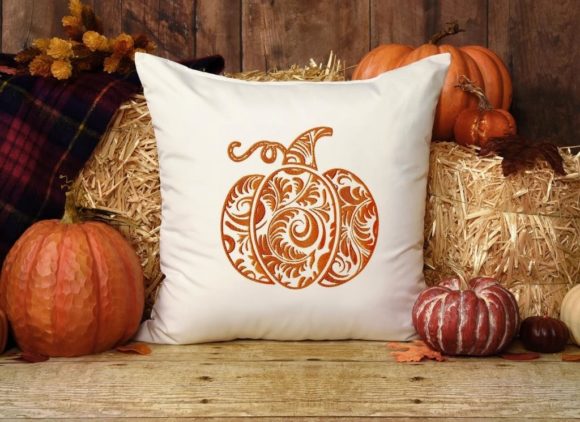
The first impression of Curly Pumpkin is one of whimsical charm. Unlike traditional, rigid pumpkin silhouettes, this design features flowing, organic lines that give it a playful yet elegant feel. It strikes a perfect balance between seasonal festivity and modern aesthetics. For those of us creating personalized gift items, this mood is crucial. We want designs that feel handmade and heartfelt, not mass-produced. The curly elements add a layer of sophistication that appeals to buyers looking for something unique for their Thanksgiving decor or Halloween projects.
Versatility Across Product Lines
One of the strongest assets of this embroidery file is its versatility. In my test run, I explored how it would look on various substrates, imagining the diverse needs of my clientele. For baby product creators, this design is a standout choice for baby embroidery projects. Imagine a soft, neutral-toned muslin blanket adorned with this pumpkin motif. It is sweet without being overly juvenile, making it a perfect keepsake for a newborn’s first autumn. However, when working with delicate baby clothes, one must be mindful of the stitch density. Always check the file details to ensure the stitching is not too heavy for stretchy fabrics, which can cause puckering if not properly stabilized.
For wedding gift designers and those creating family keepsakes, Curly Pumpkin offers a rustic elegance. I visualized this design on a high-quality linen pillow cover or a set of kitchen towels. An embroidered towel featuring this motif, perhaps paired with a monogram, becomes an instant heirloom. It transforms a simple household item into a handmade product that carries emotional weight. The design’s flow complements the natural texture of linen and cotton, enhancing the perceived value of the finished piece.
Etsy sellers and craft fair vendors will appreciate how well this design photographs. The distinct lines of the pumpkin create excellent contrast, which is vital for online listings. Whether you are selling a custom tote bag or a nursery decor item, the visual appeal of Curly Pumpkin helps drive buyer engagement. It serves as an excellent anchor for a fall-themed collection, allowing you to create cohesive product lines that tell a story.
Navigating Fabric and Technical Challenges
While the design is beautiful, practical application requires attention to detail. Not every fabric is created equal, and Curly Pumpkin behaves differently depending on the fabric texture. When I stitched it onto a thick, textured terry cloth towel, the finer curly details risked getting lost. In such cases, I recommend using a cutaway stabilizer to provide extra support and ensuring your needle is sharp enough to penetrate the pile without dragging the thread.
Conversely, on smooth, lightweight fabrics like silk or fine cotton, the design shines. However, you must be cautious with dark fabrics. If you are stitching a light-colored pumpkin on a black background, ensure your thread colors have high contrast. I always advise creating a printable mockup or doing a test stitch-out to verify visibility. Small details can sometimes merge if the thread color is too similar to the fabric, reducing the impact of the design.
Another consideration is the hoop size. Since the product description mentions that this digital embroidery file comes in multiple formats, it is likely available in various hoop sizes. Before starting a large project like a blanket embroidery or a large tote, confirm that the specific file version you are using fits your machine’s maximum hoop capacity. Attempting to resize a design significantly beyond its original dimensions can distort the stitch angles and affect the overall quality.
Enhancing Perceived Value and Customer Trust
In the world of commercial embroidery, the finish of the product dictates customer trust. A clean, well-executed Curly Pumpkin stitch-out signals professionalism. When customers receive a personalized item that looks crisp and durable, they are more likely to leave positive reviews and return for future purchases. This design contributes to that perception of quality because of its balanced composition. It is not so dense that it creates a stiff patch on the fabric, nor so sparse that it looks unfinished.
For small shop owners, this design can be a cornerstone of your autumn marketing. Use it in your social media previews to show the behind-the-scenes process. Show the hooping, the stitching, and the final reveal. This transparency builds an emotional connection with your audience. They see the care that goes into each custom embroidery piece, which justifies the price point of a handmade item.
Practical Tips for Successful Stitching
To ensure the best results with Curly Pumpkin, follow these practical steps before fulfilling customer orders:
- Test on Scrap Fabric: Always run a test stitch on the same type of fabric you intend to use for the final product. This helps you identify any tension issues or registration errors.
- Check Thread Color Contrast: Select thread colors that complement the fabric while ensuring the design remains visible. Traditional orange is classic, but consider cream, gold, or even deep burgundy for a more modern look.
- Confirm Hoop Size: Verify which file format matches your machine’s hoop capabilities. Using the wrong size can lead to truncated designs or unnecessary resizing.
- Review Stitch Density: If the design feels too heavy for your chosen fabric, consider using a lighter weight stabilizer or adjusting your machine’s tension settings.
- Use Proper Stabilizer: Match the stabilizer to the fabric. Use tear-away for stable woven fabrics and cut-away for knits or items that will undergo frequent washing.
- Compare Light and Dark Mockups: Visualize the design on both light and dark backgrounds to ensure versatility in your product offerings.
- Check Small Details: After stitching, inspect the curly tendrils closely. Ensure they are fully formed and not tangled.
- Confirm Commercial Licensing: Before selling any finished products, review the license terms provided with the embroidery file to ensure you are compliant with commercial use regulations.
In conclusion, Curly Pumpkin is a delightful addition to any embroidery designer’s library. It captures the essence of the season with a touch of whimsy that appeals to a wide range of customers. From baby blankets to wedding gifts, its adaptability makes it a valuable asset for creating memorable, high-quality personalized items. By paying attention to fabric choices, stabilization, and technical details, you can leverage this design to enhance your shop’s reputation and delight your customers with beautiful, lasting keepsakes.