Halloween Embroidery Design Review
As a designer who has spent years digitizing patterns and reviewing countless files for client work, I approach every new machine embroidery design with a critical eye. We all know that what looks crisp on a screen does not always translate perfectly to fabric. When I first loaded the Halloween design into my software, my immediate concern was not just about aesthetics, but about stitch integrity and real-world application. This is not just a graphic; it is a physical texture that will sit on a garment or home good. After putting this file through its paces, I am ready to share my practical assessment for fellow embroidery designers, Etsy sellers, and craft business owners.
First Impressions and Visual Personality
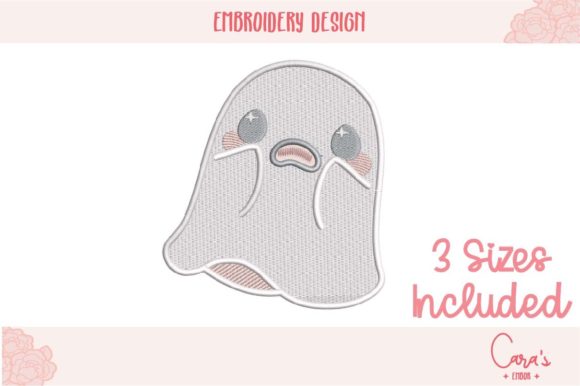
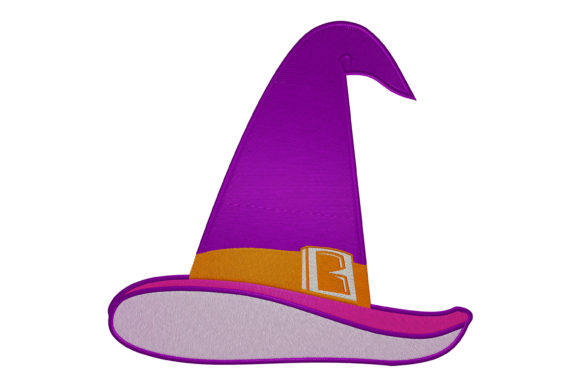
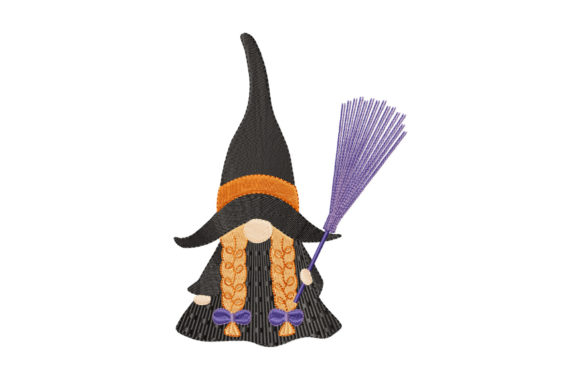
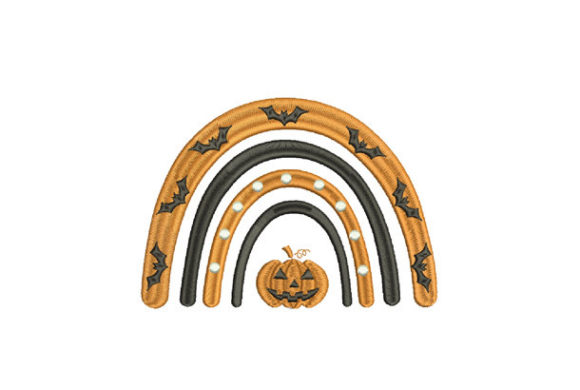
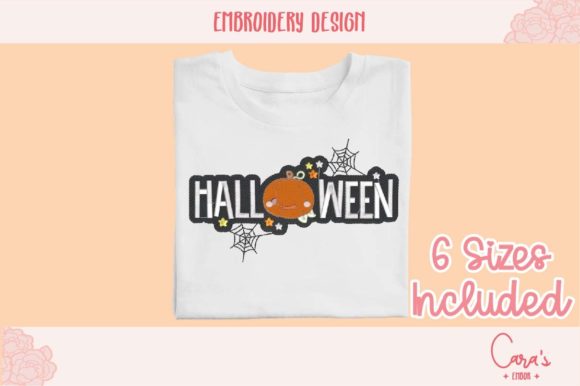
The Halloween design carries a distinct mood. It avoids the overly chaotic clutter that plagues many seasonal files, opting instead for a balanced layout that respects the limitations of embroidery thread. The visual personality is playful yet polished, making it versatile enough for both juvenile products and sophisticated boutique items. What stands out immediately is the clarity of the shapes. In embroidery, negative space is just as important as the stitches themselves. This design utilizes spacing effectively, ensuring that the motif breathes rather than appearing as a dense blob of thread.
For those of us creating design assets for small shop products, this level of clarity is crucial. A muddy design kills perceived value. Here, the lines are clean, suggesting a thoughtful approach to pathing and underlay. Whether you are aiming for a spooky vibe or a cute autumnal feel, the foundational structure of this pattern supports both interpretations depending on your choice of thread colors.
Real-World Application: The Tote Bag Test
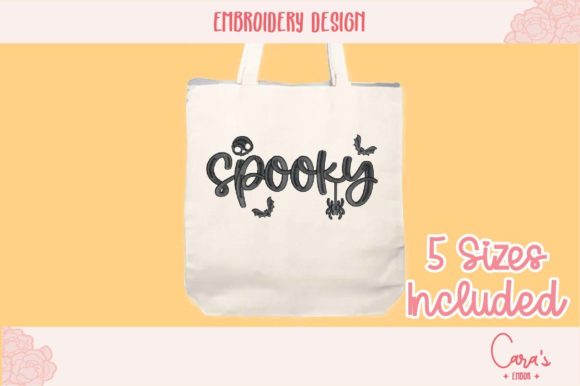
To truly evaluate an embroidery file, you must imagine it on a finished product. I visualized this design centered on a heavy canvas tote bag, a staple item for any Etsy seller during the fall season. Canvas presents a unique challenge due to its weave and thickness. I considered how the fill stitch areas would interact with the textured surface. Because the design has been tested and reviewed to ensure top quality, I felt confident that the density would be sufficient to cover the fabric without sinking in, yet not so dense that it would cause puckering.
Beyond tote bags, consider sweatshirt embroidery. A fleece or cotton blend hoodie provides a soft, lofty background. The Halloween motif, with its defined edges, would pop beautifully against a heather grey or deep orange fabric. For custom apparel businesses, this means fewer complaints about visibility and higher customer satisfaction. The design does not rely on microscopic details that get lost in the pile of fleece, making it a safe bet for bulk orders or holiday gifts.
Navigating Fabric and Hoop Constraints
One of the most critical notes in the product description states: Resizing or editing the design is not recommended. As a professional, I cannot stress enough how vital this instruction is. Embroidery digitizing is a mathematical balance of stitch count, pull compensation, and density. When you resize a design without re-digitizing it, you distort this balance. Shrinking it might cause stitches to overlap excessively, leading to thread breaks and needle heat. Enlarging it could leave gaps where the fabric shows through, ruining the finished product.
This constraint requires you to plan your hoop size carefully before purchase. Ensure your machine’s maximum hoop capacity accommodates the design’s original dimensions. If you are working with stretchy fabric like jersey knits for baby clothes, proper stabilization is non-negotiable. I recommend using a cut-away stabilizer for garments that will be washed frequently, as it provides lasting support for the stitches. For woven fabrics like tea towels or aprons, a tear-away might suffice, but always test first.
Be cautious with dark fabrics. While the design is robust, contrast is key. If you are stitching white or light pastel threads on black fabric, ensure your underlay is sufficient to prevent the dark fabric from peeking through the top stitches. This is where the stitch density mentioned in the review process becomes relevant. A well-tested design accounts for this, but verifying it on a scrap piece of your specific fabric is the only way to be sure.
Commercial Viability and Brand Consistency
For commercial embroidery projects, consistency is king. If you are building a brand around holiday embroidery, you need designs that look professional across different items. The Halloween design offers that reliability. It does not look like a hastily converted clipart image; it looks like a purpose-built embroidery pattern. This distinction matters to buyers. They can feel the quality in the hand of the item. A smooth, well-balanced stitch out signals craftsmanship, which justifies higher price points for your handmade product listings.
Consider using this for embroidered patch creation. Patches require high density and clean borders to allow for easy cutting and sealing. If the design’s edges are well-defined satin stitches, it could serve as an excellent base for iron-on or velcro-backed accessories. However, always check the border type in your software. If it uses a simple running stitch border, you may need to add a satin border manually if resizing is prohibited, though this contradicts the usage guidelines. Therefore, it is best used as-is for direct-to-garment applications or pre-made blank patches.
Practical Designer Notes for Best Results
Before you commit to stitching this on a client’s expensive garment, follow these practical steps to ensure success:
- Test Stitch First: As advised, stitch the design or portions of it on a scrap piece of the same fabric you intend to use. This reveals any tension issues or color clashes.
- Check Thread Contrast: View your design in black and white mode in your software. If the details disappear in grayscale, they may lack definition in real life. Adjust thread choices accordingly.
- Verify Stabilizer: Match your stabilizer to your fabric weight. Heavy denim needs different support than lightweight linen.
- Inspect Small Details: Zoom in on the design preview. Look for tiny jumps or complex turns that might cause thread bunching. A tested design should minimize these, but your machine’s tension settings play a role too.
- Confirm Licensing: Before selling digital embroidery file derivatives or finished items, confirm the license terms. Most standard licenses allow for physical sales but prohibit sharing the file itself.
Final Verdict on the Halloween Design
The Halloween embroidery design is a solid addition to any seasonal collection. It respects the technical constraints of machine embroidery while delivering a charming aesthetic. It is particularly well-suited for tote bag design, baby embroidery projects, and personalized gift items where clarity and durability are paramount. By adhering to the guideline of not resizing and by performing necessary test stitches, you can leverage this asset to create high-quality, professional-looking goods that enhance your brand’s reputation. It is a reliable tool for the modern maker, bridging the gap between digital precision and tactile artistry.