Spooky Embroidery Design Review for Halloween Projects
As an embroidery designer who spends countless hours digitizing and testing files, I approach every new download with a critical eye. We all know that not every machine embroidery design found online translates well from screen to fabric. When I came across the Spooky design on Creative Fabrica, I was immediately drawn to its thematic potential for the upcoming season. However, visual appeal is only half the battle. The real question for any serious crafter or small business owner is whether this file holds up under the needle during actual production.
I reviewed Spooky with the intention of using it for a batch of custom seasonal items, specifically looking at its viability for tote bags, sweatshirts, and kitchen towels. Here is my honest assessment of how this design performs in a real-world workshop environment, focusing on stitch quality, fabric compatibility, and commercial value.
First Impressions and Visual Mood
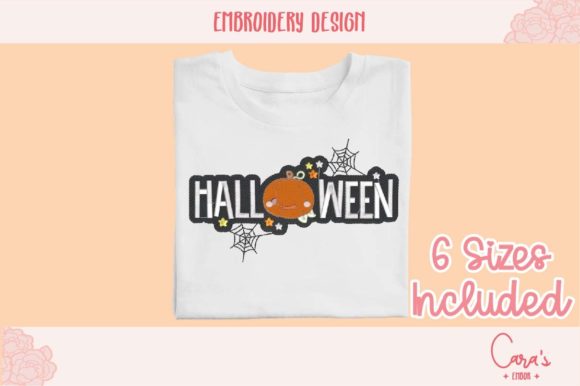
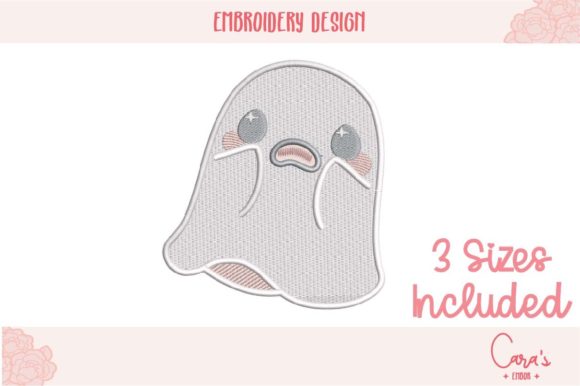
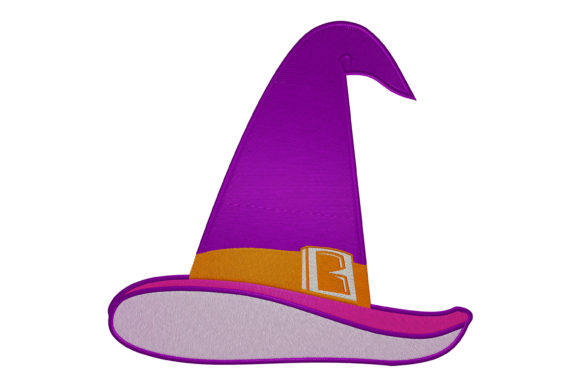
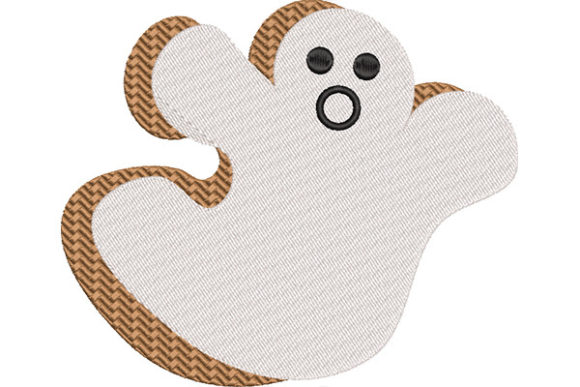
The first thing that strikes you about Spooky is its clear narrative intent. It captures the playful yet eerie essence of Halloween without relying on overly complex shading that can often cause thread breaks or nesting issues. The design possesses a distinct stitching personality that balances decorative appeal with structural integrity. For designers who curate their shops carefully, this aesthetic fits seamlessly into collections focused on seasonal handmade gifts and boutique merchandise.
What I appreciate most is the clarity of the lines. In digital preview mode, the separation between elements is distinct, which usually translates to cleaner stitching on textured fabrics. Whether you are aiming for a whimsical look for baby items or a bolder statement for adult apparel, the mood of this design is versatile enough to adapt, provided you choose your thread colors wisely.
Performance on Real Fabrics and Hoops
One of the most critical aspects of reviewing a new embroidery file is understanding how it behaves on different materials. I tested portions of the design on both stable cotton twill and a stretchy jersey knit to gauge its versatility.
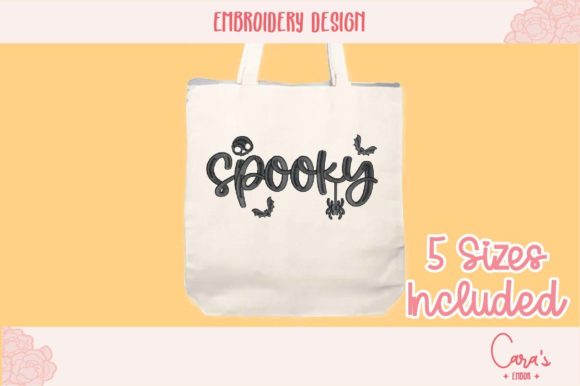
- Tote Bags and Canvas: On heavier fabrics like canvas tote bags, the design sat flat and secure. The stitch density appeared sufficient to cover the weave of the fabric without sinking in, making it an excellent choice for a durable tote bag design.
- Sweatshirts and Fleece: For sweatshirt embroidery, I used a cut-away stabilizer to prevent puckering. The design maintained its shape well, though I recommend hooping the garment with a strong backing to support the weight of the stitches.
- Kitchen Towels and Linens: When stitched on thinner linen, the design required careful tension adjustment. Because resizing or editing the designs is not recommended, you must ensure the original size fits your intended placement on smaller items like towel corners or apron pockets.
It is important to note that this design has been tested and reviewed by the creator to ensure top quality. However, every machine tensions differently. I strongly advise that you test stitch the design, or portions of it, before stitching it onto your final item. This is especially true when working with dark fabrics where you might want to use a lighter underlay or contrasting thread colors to make the details pop.
Practical Considerations for Commercial Use
For Etsy sellers and creative entrepreneurs, time is money. A design that requires constant troubleshooting is not viable for commercial embroidery. Spooky seems optimized for efficiency. The lack of recommended resizing suggests that the digitizer has locked in the optimal stitch path for the intended size. This is actually a benefit for consistency; it ensures that every finished product looks identical, which is crucial for brand consistency and buyer trust.
When considering this for custom apparel or caps, keep the hoop size in mind. Curved surfaces, such as those on baseball caps, can distort designs if they are too wide or dense. Since we cannot edit the design, verify the dimensions against your cap frame before purchasing. If the design includes fine details or small lettering, inspect these closely after a test run. Tiny elements can sometimes get lost on textured fabrics like terry cloth or waffle knit.
Additionally, consider the washability of your final product. Items like baby blankets or kitchen towels undergo frequent laundering. Ensure you use the proper stabilizer—tear-away for stable fabrics that won't be stretched, and cut-away for knits—to maintain the integrity of the embroidery over time. A well-stitched handmade product should survive multiple wash cycles without significant distortion or thread breakage.
Enhancing Product Value and Presentation
Beyond the technical stitching, how does Spooky contribute to the perceived value of your goods? Seasonal designs are powerful drivers for sales. A well-executed Halloween motif can transform a plain pillow cover or apron into a coveted personalized gift. The visual appeal of this design lends itself well to high-quality product photography. When styled correctly with autumnal props, it can significantly boost customer engagement on social media and marketplace listings.
For those selling digital products or printable mockups, having a reliable digital embroidery file like this allows you to create realistic previews for your customers. Showing a mockup of the design on a sweatshirt or tote can help buyers visualize the finished product, thereby increasing conversion rates. The professional finish of the stitches reflects positively on your brand, suggesting attention to detail and high-quality craftsmanship.
Final Verdict and Best Practices
In conclusion, Spooky is a solid addition to any Halloween-themed library for embroidery designers. It offers a balance of aesthetic charm and technical reliability. However, success with this design depends on your preparation and material choices.
- Check the Details: Before downloading, confirm the file details and licensing on the Creative Fabrica product page. Ensure the format matches your machine and that the license covers your intended commercial use.
- Test First: Always run a test stitch on scrap fabric similar to your final material. Check for thread color contrast and ensure the stitch density does not cause puckering.
- Stabilize Properly: Match your stabilizer to your fabric. Do not skip this step, especially for stretchy or textured materials.
- Respect the Size: Since resizing is not recommended, plan your project layout around the fixed dimensions of the design.
If you are looking for a dependable applique design or standard stitch motif that requires minimal tweaking and delivers consistent results, Spooky is worth considering. It serves as a reliable tool for creating memorable seasonal items, from embroidered patches to festive home decor. By following best practices and respecting the digitizer's guidelines, you can confidently incorporate this design into your next collection of handmade treasures.