Human Eyes: A Designer’s Review for Real Projects
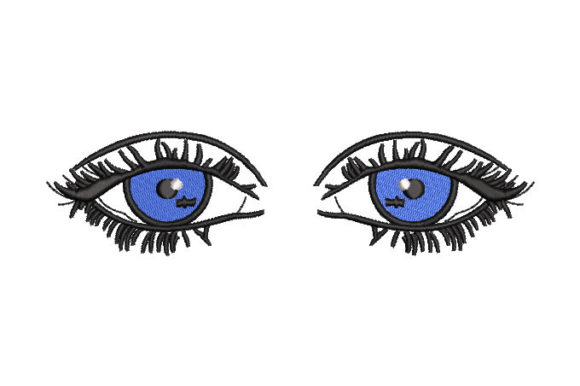
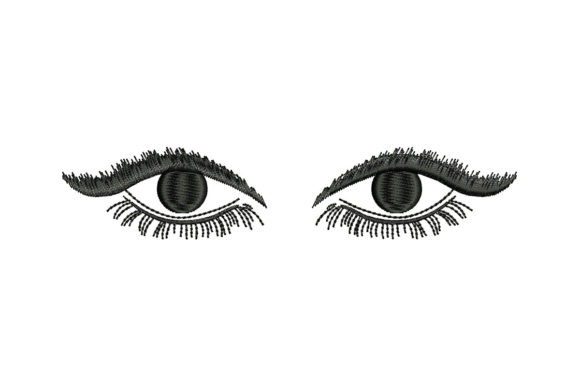
As a designer who spends half my life staring at digitized files and the other half pulling threads out of bunched-up fabric, I have learned to be skeptical of "realistic" claims. Most designs that promise photorealism end up looking like muddy blobs once they hit the fabric. However, when I first loaded the Human Eyes machine embroidery design into my software, I paused. The layout was intentional, the shading subtle, and the potential for high-impact visual storytelling immediately apparent. This is not just another decorative motif; it is a statement piece rooted in the Beauty category of Embroidery that demands respect in its execution.
The First Impression: Mood and Visual Personality
The immediate reaction to Human Eyes is one of intimacy. In a market saturated with floral patterns and generic typography, this design cuts through the noise. It creates a mood that is both charming and slightly mysterious, depending on how you style it. The shape and theme suggest a modern, artistic approach rather than traditional craftiness. For an experienced eye, the detail level suggests a careful balance between fill stitch density and open space, which is crucial for maintaining clarity. It feels like a design meant for someone who wants their handmade product to look curated, not just crafted.
Real-World Application: The Tote Bag Test
To truly evaluate a design, you have to imagine it in a real-life scenario. I recently worked on a custom order for a boutique client who wanted a line of literary-themed tote bags. We needed something that would stop a customer in their tracks at a craft fair. I visualized Human Eyes centered on a heavy canvas tote bag design. The result? Striking. Because the design is described as incredibly realistic and beautiful, it adds a charming accent that elevates the perceived value of the item. It transforms a simple grocery carrier into a wearable art piece.
This versatility extends beyond totes. Imagine this as sweatshirt embroidery on an oversized, neutral-toned hoodie. The contrast of the detailed eyes against soft fleece creates a high-fashion streetwear vibe. For Etsy sellers and small shop owners, this kind of visual punch is gold. It encourages buyer engagement because it is unexpected. It works equally well as a focal point for personalized gifts, such as a unique pillow cover for a modern living room or an artistic apron for a creative professional.
Navigating Fabric and Technique Challenges
While the aesthetic appeal is high, practical application requires caution. Realistic designs often rely on subtle gradations in thread colors to achieve depth. If you are stitching on textured fabrics, such as terry cloth or heavy linen, some of that fine detail may get lost. I always advise testing the design on scrap fabric first. You need to see how the stitch density interacts with the fabric texture. On thin fabric, without proper stabilizer, the tension from dense areas could cause puckering, ruining the smooth look required for such a realistic effect.
Curved surfaces present another challenge. If you are considering this for cap embroidery, be mindful of the hoop size and the curvature of the brim. Detailed corners and intricate shading can distort if the fabric pulls unevenly. For baby embroidery, while the design is beautiful, ensure the stitch count and density are appropriate for sensitive skin and frequent washing. A heavy, dense design might be too stiff for a delicate onesie, whereas it would sit perfectly on a denim jacket or a structured patch.
Enhancing Brand Value and Customer Trust
For commercial embroidery projects, consistency is key. Using a high-quality digital embroidery file like Human Eyes signals professionalism. When customers see crisp lines and well-blended colors, their trust in your craft business increases. It shows that you care about the finished product, not just the speed of production. This design can become a signature element of your brand consistency, especially if you operate in the beauty or artistic niche. It helps in creating printable mockups that look premium, which is essential for online sales where tactile experience is missing.
Moreover, this design fits seamlessly into holiday embroidery collections that lean towards the artistic or gothic, rather than the traditionally cheerful. It offers a unique angle for Halloween accessories or edgy Valentine’s Day gifts. By offering something distinct, you differentiate your small shop product from the sea of generic items, thereby increasing recognition and buyer retention.
Practical Notes for the Embroidery Designer
Before you commit to stitching this on a final garment, here are my technical recommendations based on years of trial and error:
- Check Thread Color Contrast: Realism lives in the shadows. Use a wide range of thread colors to capture the depth of the iris and the surrounding skin tones. Do not skimp on color changes if the file allows it.
- Stabilizer Selection: Given the likely density of a realistic design, use a cut-away stabilizer for stretchy fabrics like t-shirts and sweatshirts to prevent distortion over time. For woven fabrics like tote bags, a tear-away might suffice, but test first.
- Hoop Size Verification: The product description mentions multiple embroidery options, but always confirm the specific hoop size required for the version you choose. Ensure your machine can accommodate the dimensions without re-hooping, which can cause alignment issues.
- Light vs. Dark Fabrics: Test the design on both light and dark backgrounds. You may need to adjust underlay stitches or add a satin stitch border to make the eyes pop against dark fabric.
- Licensing Confirmation: Always verify the license terms. If you are an Etsy seller or run a craft business, ensure you have the right to sell finished items made with this design. Never assume commercial rights are included unless explicitly stated.
Final Verdict on Human Eyes
The Human Eyes embroidery design is a powerful tool for designers who want to push beyond the ordinary. It is not a beginner-friendly fill-in-the-blank motif; it requires thoughtful fabric selection, precise hooping, and quality thread work. However, for those willing to put in the effort, the payoff is a stunning, conversation-starting piece that enhances the value of any handmade product. Whether you are creating custom apparel, decorative home goods, or unique gifts, this design offers the artistic weight needed to stand out in a crowded market. Just remember to respect the details, test your materials, and let the realism shine through your craftsmanship.