Stitching Spooky Cookie: A Designer’s Real-World Review
As an embroidery designer who has spent countless hours digitizing, testing, and critiquing machine embroidery designs, I approach every new file with a mix of curiosity and skepticism. We have all been there: you download a design that looks adorable on the screen, only to find it turns into a tangled mess of thread breaks and puckering once it hits the fabric. That is why I took a close, practical look at Spooky Cookie. This isn’t just about whether it looks cute; it is about whether it holds up in a real production environment for craft businesses, Etsy sellers, and serious hobbyists.
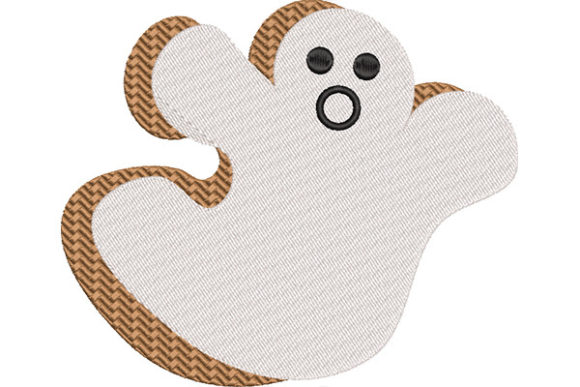
The first impression of Spooky Cookie is immediately inviting. It captures that playful, slightly mischievous spirit essential for Halloween-themed projects without leaning too hard into gore or darkness. The layout feels balanced, with a visual personality that suggests warmth and fun rather than fear. For a designer, this is crucial. You want a motif that appeals to a broad audience, from parents looking for festive baby clothes to young adults wanting a quirky accessory for a party. The shape and detail level seem calibrated to maintain clarity even at smaller sizes, which is often where complex designs fail.
Real-World Application: Beyond the Screen
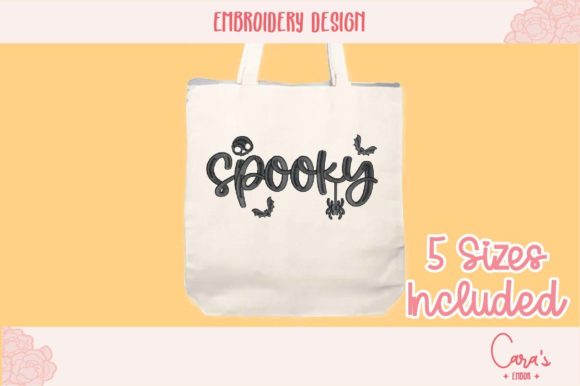
To truly evaluate an embroidery file, you have to imagine it stitched out. I visualized using Spooky Cookie on a custom embroidered tote bag. Tote bags are a staple for small shop products, but they present challenges due to the woven texture of canvas or cotton. In this scenario, the design’s structure needs to be robust enough to stand out against the fabric grain. If the stitch density is too low, the background fabric shows through, ruining the crispness of the cookie shape. If it is too high, the bag becomes stiff and unpleasant to handle.
Another strong candidate for this design is sweatshirt embroidery. Hoodies and crewnecks are high-ticket items for apparel decorators. Here, the Spooky Cookie motif would likely serve as a chest pocket accent or a larger back piece. On fleece or heavy cotton blends, the design needs sufficient underlay to prevent sinking. The description notes that the model looks great on jackets and T-shirts, which suggests versatility. However, as a reviewer, I advise checking how the fill stitch interacts with stretchy fabrics. A dense fill on a thin T-shirt can cause puckering if not paired with the correct stabilizer.
For those running a craft business, consider the appeal of this design on home decor items like pillow covers or kitchen towels. A tea towel with a festive Spooky Cookie adds a touch of seasonal charm without being overly thematic, making it a versatile handmade product for autumn sales. The visual appeal here drives customer trust; a clean, well-stitched image signals professionalism and care, directly impacting buyer engagement and the perceived value of your finished product.
Navigating Fabric and Hoop Constraints
While the design promises high quality on any fabric, experienced embroiderers know that "any fabric" requires different preparations. Let’s talk about where you need to exercise caution. If you are planning to use this on dark fabric, thread color contrast becomes your best friend. You must ensure that the digitized thread colors pop against black or navy backgrounds. Testing the design in black and white mockups before stitching can reveal if the contrast relies too heavily on color rather than shape definition.
Curved surfaces, such as caps or hats, present another challenge. Embroidering on a cap requires a design that does not distort when pulled over the curve of the front panel. If Spooky Cookie has wide, flat areas of satin stitch, it might bridge or gap on a curved surface. I recommend starting with a test run on a scrap piece of similar material to check for distortion. Similarly, textured fabrics like terry cloth towels require higher stitch density or a topping stabilizer to keep the stitches from disappearing into the loops.
Small hoop sizes are another area for careful consideration. If you are shrinking the design to fit a 4x4 hoop for a baby embroidery project or a small patch, you must inspect the tiny details. Fine lines and small text elements can merge together if the scale is reduced too much. Always verify the minimum recommended size in the design specifications. If those details are not provided, err on the side of caution and keep the design larger to preserve its integrity.
Technical Notes for the Serious Stitcher
Before you commit to a large batch of commercial embroidery projects, there are several technical checks you should perform. First, always test the design on scrap fabric first. This allows you to review stitch density and tension without risking your final garment. Check if the design uses a mix of satin stitch, fill stitch, and running stitch effectively. A good digital embroidery file will use running stitches for outlines and details to reduce bulk, while using fill stitches for larger areas to provide coverage.
Stabilizer choice is non-negotiable. The product description explicitly advises using proper stabilizers depending on the fabric. For knit fabrics like T-shirts and sweatshirts, a cut-away stabilizer is usually best to provide ongoing support. For woven fabrics like tote bags or aprons, a tear-away might suffice, but a heat-seal stabilizer can add extra crispness for patches. Ignoring this step can lead to a finished product that looks amateurish, with visible puckering or shifting.
For Etsy sellers and digital product sellers, understanding the licensing terms is critical. Confirm whether the license allows for selling finished items or if it restricts you to personal use. While many designers allow commercial use for physical products, reselling the digital embroidery file itself is almost always prohibited. Clarifying this upfront protects your craft business from legal issues and ensures you can confidently market your handmade merchandise.
Enhancing Brand Consistency and Giftability
Ultimately, the value of Spooky Cookie lies in how it enhances your brand. For boutique branding, consistency is key. If your shop specializes in whimsical, high-quality goods, this design fits seamlessly. It adds to the giftability of your items, making them perfect for holiday gifts or personalized presents. A well-executed embroidery project speaks to the skill of the maker, building recognition and loyalty among customers.
When creating printable mockups or digital previews for your online store, ensure the images accurately reflect the texture and dimension of the actual stitching. Buyers appreciate transparency. Show close-ups of the stitch work to highlight the quality of the satin edges and the smoothness of the fills. This attention to detail in your marketing materials mirrors the care taken in the production process, reinforcing the professional image of your small shop product.
In conclusion, Spooky Cookie offers a charming and versatile option for Halloween and autumn-themed embroidery. Its success, however, depends on the skill and preparation of the stitcher. By paying attention to fabric texture, stabilizer choice, and hoop size, you can transform this digital asset into a stunning physical reality. Whether you are creating custom apparel for clients or stocking your Etsy shop with festive decor, this design has the potential to be a standout piece in your portfolio. Just remember: test, adjust, and stitch with intention.