Navy Mandala: A Designer’s Review for Brand Merch
As an embroidery designer who has spent years digitizing and reviewing files for commercial use, I approach every new machine embroidery design with a critical eye. It is not just about whether a pattern looks pretty on a screen; it is about how it performs on fabric, how it holds up in the wash, and most importantly, how it elevates a brand. Today, I am taking a close look at Navy Mandala, a design that promises intricate beauty and unique visual appeal. For small business owners, Etsy sellers, and apparel decorators, understanding the practical application of such a design is crucial before committing to production runs.
First Impressions: Visual Personality and Brand Fit
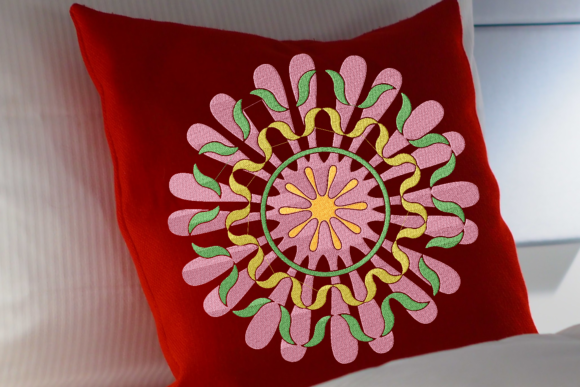
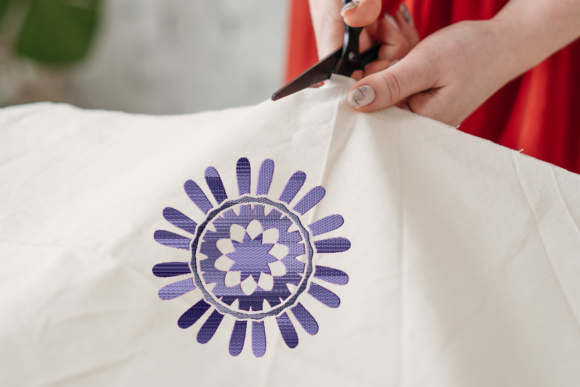
The first thing that strikes me about Navy Mandala is its inherent elegance. The description notes that it is "stunningly beautiful" and "intricate," which immediately suggests a premium aesthetic. In the world of branding, visual personality dictates customer perception. This design does not scream "cheap promotional giveaway." Instead, it whispers "artisan quality" and "thoughtful detail."
For a boutique, a creative studio, or a high-end florist, this design aligns perfectly with a brand identity that values craftsmanship. It feels decorative yet structured. The mandala style often conveys balance and harmony, which can subtly reinforce a brand’s message of care and precision. However, because it is described as intricate, we must consider if this complexity translates well to smaller applications. A design that looks magnificent on a bed sheet might lose its definition on a small chest logo. This is where the designer’s eye must separate artistic appreciation from commercial viability.
Real-World Applications for Small Business Merch
Let us move beyond theory and discuss where Navy Mandala can actually drive value for your business. The product description highlights home decor like bed sheets and towels, which are excellent starting points. However, for the modern merch creator, the potential extends much further.
- Embroidered Patches: This is perhaps the most versatile application. An intricate mandala makes for a striking iron-on or sew-on patch. You can use these as limited-edition add-ons for customer orders, enhancing the perceived value of a handmade product.
- Apron Embroidery: For bakeries, cafes, or craft workshops, branded aprons are essential. Placing Navy Mandala on the upper chest or the pocket of a canvas apron creates a professional, unified look for staff. It signals attention to detail to every customer who walks through the door.
- Tote Bag Design: Canvas tote bags are a staple for retail shops. A central mandala design serves as a bold statement piece. Unlike a simple text logo, a graphic element like this encourages people to use the bag in their daily lives, turning your customers into walking billboards.
- Cap Embroidery: While possible, this requires caution. A mandala on a curved cap front needs careful digitizing to ensure the design does not distort. If executed well, it offers a unique alternative to standard text-only hats.
When used in commercial embroidery projects, such designs help differentiate your small business merch from the sea of generic print-on-demand items. It adds a tactile, luxurious element that digital printing simply cannot replicate.
Navigating Technical Challenges and Fabric Constraints
While Navy Mandala is visually stunning, intricacy is a double-edged sword in embroidery. As a designer, I must advise you to proceed with strategic testing. High detail often means higher stitch density. If the stitches are too close together, the fabric may pucker, especially on lighter materials like cotton towels or thin shirt fabrics.
You must consider fabric texture carefully. On plush towels or thick denim, fine details can get lost or become muddy. Conversely, on smooth satin or high-thread-count sheets, the design will shine. Before running a full batch, always test the embroidery file on the exact material you intend to use. Pay close attention to the thread colors. Since the design is titled "Navy," ensure you have a high-contrast thread available if you are stitching on dark uniforms. Navy thread on a black shirt will vanish; you may need to adjust the colorway to maintain visibility.
Another critical factor is the hoop size. Intricate mandalas often require a larger hoop to capture the full symmetry without cutting off essential elements. Check the dimensions of the digital file against your machine’s capabilities. If the design is too large for a standard 4x4 hoop, you may need a multi-position hoop or a larger machine, which impacts production time and cost.
Enhancing Brand Identity and Customer Trust
Why go through the trouble of testing and refining? Because consistency builds trust. When a customer receives a package with a beautifully embroidered tag, patch, or item, it reinforces the professionalism of your brand. Navy Mandala can serve as a visual anchor for your brand identity. It suggests that you do not cut corners.
For Etsy sellers and online boutiques, high-quality visuals are everything. Use this design to create compelling printable mockup images for your listings. Show the design on a folded towel, a hanging apron, or a styled tote bag. These design assets help buyers visualize the finished product in their own homes, increasing conversion rates. Furthermore, offering custom embroidery with such a unique design can justify a higher price point, moving your products from commodity to luxury.
Practical Designer Notes for Production
Before you purchase or begin stitching Navy Mandala for client work, follow this checklist to ensure success:
- Test in Monochrome: Stitch the design out in black thread on white fabric first. This reveals the true structure and spacing of the stitches without the distraction of color. If it looks messy in black and white, it will look messy in color.
- Check Small Scale Viability: Resize the design to the smallest dimension you plan to use (e.g., a 2-inch patch). Does the center detail collapse? If so, you may need to simplify the design or reserve it for larger items only.
- Stabilizer Selection: Intricate designs require robust support. Use a cut-away stabilizer for garments that will be washed frequently, such as uniforms or towels. This prevents the fabric from shifting during stitching and maintains the shape over time.
- Verify Licensing: Always confirm the commercial license terms of the digital embroidery file. Ensure you are permitted to use the design on physical goods for sale. Never assume; always read the terms.
- Client Approval Mockups: If working with B2B clients, such as a local cafe ordering staff aprons, create a digital mockup showing exactly where Navy Mandala will sit. This manages expectations and prevents costly reworks.
In conclusion, Navy Mandala is a powerful tool for the right business. It is not just a decoration; it is a brand asset. By respecting the technical requirements of intricate embroidery and strategically applying the design to high-value items like patches, aprons, and home decor, you can create merchandise that truly resonates with your audience. Remember, the goal is not just to stitch a pattern, but to stitch a reputation for quality.