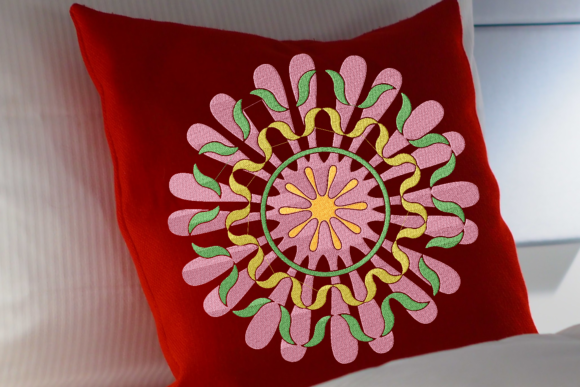
Wavy Mandala: A Designer’s Review for Craft Fairs
As an embroidery designer who has spent countless hours behind the hoop and even more time standing behind a booth table at weekend markets, I look at every new machine embroidery design with a critical eye. It is not just about whether the pattern looks pretty on a screen; it is about how it translates to fabric, how it catches the eye of a passerby, and ultimately, whether it drives sales. Today, I am reviewing the Wavy Mandala, a design that promises intricate beauty and unique visual appeal. For craft fair sellers, Etsy shop owners, and boutique makers, understanding the practical application of this design is key to turning a digital file into a profitable handmade product.
First Impressions: Elegance Meets Intricacy
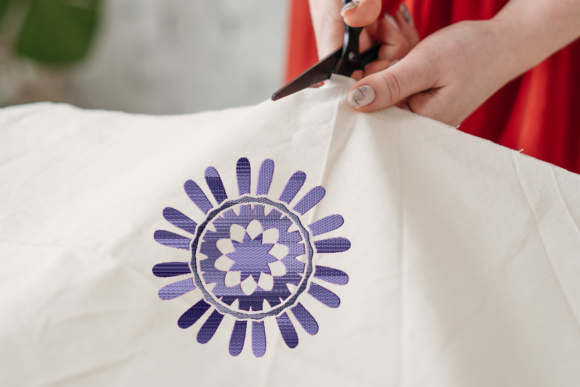
The first thing that strikes me about the Wavy Mandala is its balance between complexity and flow. The title suggests movement, and the description confirms it is stunningly beautiful and intricate. In a market setting, customers are drawn to items that look expensive and detailed but remain approachable. This design does not scream "rustic" or "funny"; instead, it leans toward the elegant, decorative, and premium end of the spectrum. It feels like a design that adds immediate value to a blank item. When I visualize this on a display table, it stands out as a focal point rather than a subtle background accent. For a craft fair product, this high-impact visual is crucial because you have only seconds to capture attention.
Product Applications for Maximum Sales
To maximize the potential of the Wavy Mandala, we need to place it on products that allow its intricate details to shine. Based on my experience with similar mandala-style patterns, here is how I would deploy this design in a real-world sales scenario.
- Tote Bags and Market Bags: A large-scale placement of the Wavy Mandala on a canvas tote creates an instant bestseller. Shoppers love reusable bags that double as fashion statements. The intricate lines provide a sophisticated look that elevates a simple cotton bag into a desirable accessory.
- Tea Towels and Kitchen Linens: The product description specifically mentions towels. Embroidered kitchen textiles are perennial favorites at handmade markets. Placing the design in the corner or center of a high-quality linen tea towel adds a touch of luxury. However, ensure the stitch density is appropriate for absorbent fabrics so the towel remains functional.
- Pillow Covers and Home Decor: Home decor items allow for larger hoop sizes, which is ideal for intricate designs. A velvet or heavy cotton pillow cover featuring the Wavy Mandala can serve as a centerpiece in a booth display, drawing customers in from a distance.
- Aprons: An apron embroidery project using this design on the bib or pocket area appeals to those who love cooking and hosting. It transforms a utilitarian item into a gift-worthy piece.
- Embroidered Patches: If the design scales down well, creating iron-on or sew-on patches is a fantastic way to offer a lower-priced entry point for customers. Patches are easy to batch produce and sell as add-ons.
Production Practicality and Batch Efficiency
For any Etsy seller or small shop owner, time is money. The Wavy Mandala looks intricate, which raises questions about production speed. While I do not have the exact stitch count here, intricate mandalas often require longer run times. This means this design is best suited for items where you can charge a premium price, such as pillow covers or high-end tote bags, rather than low-margin impulse buys.
Photography is another critical factor. Intricate designs photograph beautifully for online listings. The curves and waves create shadows and highlights that give depth to your printable mockup or actual product photos. This visual depth helps online buyers understand the quality of the digital embroidery file and the finished result. For booth displays, the texture of the threads against the fabric adds a tactile element that encourages customers to pick up and touch the item, increasing engagement.
Careful-Use Notes and Technical Considerations
While the Wavy Mandala is stunning, successful execution requires attention to technical details. Here are the pitfalls to avoid when bringing this design to life.
- Fabric Texture and Stability: Intricate designs can get lost on highly textured fabrics like thick terry cloth towels. If embroidering on towels, use a strong cut-away stabilizer to prevent puckering and ensure the fine details remain crisp. For smoother fabrics like cotton or polyester blends, the design will appear sharper.
- Thread Contrast: Choose your thread colors wisely. A monochromatic look (same color thread as fabric) offers a subtle, elegant tone-on-tone effect, perfect for high-end home decor. However, for maximum visibility at a craft fair, high contrast is key. Dark threads on light fabric or vice versa will make the wavy lines pop.
- Curved Surfaces: If you plan to put this on caps, be cautious. Mandala designs are typically circular and flat. Distorting them over the curved front panel of a cap can ruin the symmetry. Test on a scrap piece first to see if the design maintains its integrity.
- Scaling Issues: Do not shrink this design too much. Tiny details in a mandala can merge together if the hoop size is too small, resulting in a blob of thread rather than a clear pattern. Always check the minimum recommended size provided with the embroidery file.
Enhancing Brand Consistency and Visual Appeal
Using the Wavy Mandala consistently across your product line can strengthen your brand identity. If your shop focuses on bohemian, spiritual, or elegant handmade goods, this design fits seamlessly. It signals to the buyer that your small shop product line is cohesive and thoughtfully curated. When customers see the same high-quality design on a tote, a pillow, and a patch, it reinforces the perception of professional craftsmanship.
Furthermore, this design serves as an excellent tool for upselling. You might display a large embroidered wall hanging to grab attention, then offer smaller items like pouches or bookmarks with the same motif. This strategy leverages the visual appeal of the larger piece to drive sales of the smaller, more affordable finished product items.
Designer’s Checklist Before Production
Before you commit to stitching dozens of items for your next market, follow these essential steps to ensure quality and profitability.
- Test on Scrap Fabric: Always run a test stitch-out on the exact fabric you intend to sell. Check for puckering, thread breaks, or registration issues.
- Verify Commercial Licensing: Ensure your purchase of the digital embroidery file includes commercial rights. Most designers allow selling finished physical products, but you must confirm this to protect your business.
- Create Real Mockups: While digital mockups are useful, nothing beats a photo of the actual stitched item. Create at least one perfect sample to use in all your marketing materials.
- Check Stitch Density: If the design feels too stiff after stitching, consider using a lighter weight stabilizer or adjusting your tension. The goal is a soft hand feel, especially for items like scarves or baby blankets.
- Compare Fabric Colors: Lay out different fabric swatches under the design. Some colors may vibrate or clash with your chosen thread palette. Select combinations that enhance the wavy, flowing nature of the mandala.
In conclusion, the Wavy Mandala is a versatile and visually striking addition to any embroidery designer’s library. It bridges the gap between traditional mandala symmetry and modern, fluid aesthetics. By carefully selecting the right products, managing production efficiency, and paying attention to technical details, you can transform this design asset into a cornerstone of your craft fair inventory. Whether you are an experienced commercial embroidery professional or a budding creative entrepreneur, this design offers the elegance and intricacy that today’s handmade market customers crave.