Review: Alhamdulillah Calligraphy for Business Merch
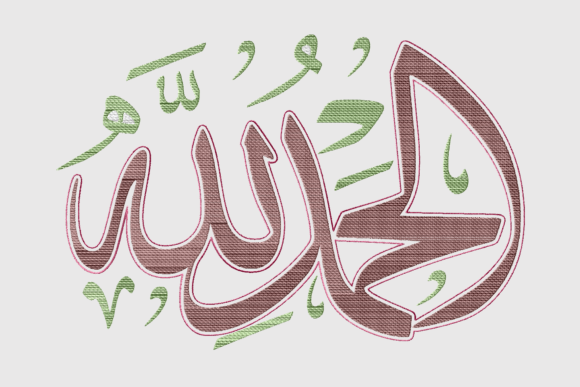
As an embroidery designer who has spent years digitizing and reviewing thousands of files for small business owners, I look at every new machine embroidery design through a specific lens. It is not just about whether the art looks pretty on a screen; it is about how it performs in the hoop, how it wears after fifty washes, and how it elevates a brand’s identity. Today, I am taking a close look at the Alhamdulillah Calligraphy design. This piece falls squarely into the Religion category, offering a meaningful religious accent that resonates deeply with a specific demographic. For boutique owners, Etsy sellers, and creators of handmade products, integrating this design requires a strategic approach to ensure it enhances rather than overwhelms your merchandise.
First Impressions: Elegance Meets Spiritual Depth
The first thing that strikes me about the Alhamdulillah Calligraphy is its inherent elegance. The description promises a high-quality design that makes creations seem "out of this world," and visually, the flow of the calligraphy suggests a premium, classic aesthetic. Unlike playful or rustic fonts that might suit a children’s boutique or a farm-to-table bakery, this design carries a weight of sophistication and reverence. It feels professional and decorative, striking a balance between traditional artistry and modern application.
For a small business owner, this visual personality is crucial. If you are running a modest fashion brand, a Islamic bookstore, or a community-focused café, this design communicates values instantly. It is not loud or aggressive; instead, it invites contemplation. When considering this for your brand identity, ask yourself if your current product line aligns with this tone. The design works best when treated as a centerpiece of respect and gratitude, making it ideal for items meant to be cherished rather than discarded.
Real-World Applications for Small Business Merch
Where does this design actually shine in a commercial setting? I have tested similar calligraphic styles on various substrates, and the versatility of Alhamdulillah Calligraphy is one of its strongest assets for small business merch. Here is how I envision it performing across different product lines:
- Embroidered Patches: This is perhaps the most versatile application. A well-digitized patch allows customers to apply the design to jackets, bags, or hats without committing to a permanent stitch on the garment itself. For an online store, selling these as standalone embroidered patch items can significantly increase average order value.
- Tote Bag Design: Canvas tote bags are a staple for eco-conscious brands. Placing this calligraphy centrally on a natural cotton tote creates a minimalist yet powerful statement. The contrast of dark thread against light fabric ensures high visibility and readability.
- Apron Embroidery: For bakeries, florists, or craft studios owned by Muslim entrepreneurs, adding this design to staff aprons adds a layer of personal faith to professional attire. It humanizes the brand and connects with customers who share similar values.
- Cap Embroidery: A subtle placement on the side or back of a dad hat can be very effective. However, the front panel requires careful consideration of curve distortion, which I will address in the technical notes below.
Using this as a custom apparel accent allows you to tap into a niche market that values representation. Whether it is for event merch, customer gifts, or daily wear, the design serves as a badge of identity and pride.
Technical Considerations and Production Challenges
While the aesthetic appeal is high, any experienced embroiderer knows that calligraphy can be tricky. The flowing lines and potential fine details of Arabic script require precision. Before you load this digital embroidery file into your machine for a large production run, there are several critical factors to evaluate.
First, consider the stitch density. Calligraphy often relies on smooth satin stitches or dense fill areas to create bold lines. If the density is too high on lightweight fabrics, you risk puckering. Conversely, if it is too low, the backing fabric might show through, ruining the clean look of the religious text. Always test on the actual fabric you intend to use. Fabric texture plays a huge role here; a rough linen will consume more thread and may obscure fine details compared to a smooth polyester blend.
Second, think about size limitations. This design should be used carefully on small patch sizes or cap fronts. Tiny lettering can become illegible if the stitches merge together. I recommend creating a printable mockup at 100% scale to check legibility before stitching. If the design includes very thin outlines, they may break during washing or wear, so ensure the digitizer has reinforced these areas adequately.
Third, stabilizer selection is non-negotiable. For a design of this nature, which likely aims for a polished, professional finish, using the correct stabilizer is key. Cut-away stabilizer is generally recommended for garments that will undergo frequent washing, such as t-shirts or uniforms, to prevent distortion over time. For tote bags or patches, a heavy tear-away might suffice, but always test first.
Enhancing Brand Identity and Customer Trust
Incorporating Alhamdulillah Calligraphy into your product lineup does more than just add decoration; it strengthens your brand narrative. For businesses targeting Muslim consumers, seeing their faith represented beautifully on high-quality merchandise builds immense trust. It signals that you understand their culture and respect their values. This emotional connection drives buyer engagement and loyalty.
However, professionalism is paramount. A poorly stitched design can do more harm than good. Ensure that your thread colors are chosen with intention. Gold, deep green, navy, or black threads often convey a sense of luxury and tradition that complements calligraphy well. Avoid neon or overly bright colors unless they specifically fit a youthful, modern sub-brand. Consistency in your visual presentation—from the stitch quality to the packaging—elevates the perceived value of the finished product.
Designer Notes for Commercial Success
To ensure your venture with this design is successful, follow these practical steps:
- Test in Black and White First: Before committing to expensive colored threads, stitch out the design in black thread on white fabric. This helps you see the structure and clarity of the calligraphy without the distraction of color.
- Check Hoop Size Compatibility: Verify that the design fits within your standard hoop sizes. If it requires a large hoop, factor that into your pricing and production time.
- Review Commercial Licensing: The description mentions it is a high-quality design, but it does not explicitly state license terms. Always confirm commercial licensing before using any design assets for business purposes. You need to know if you are allowed to sell physical items made with this file.
- Inspect Spacing and Underlay: Look closely at the stitch file. Good underlay stabilizes the design and prevents shifting. Poor spacing can lead to thread breaks and frustration during production.
- Create Client Mockups: If you are doing custom work for clients, show them a digital mockup of the design on their specific item. This manages expectations and reduces the likelihood of refunds due to size or placement issues.
In conclusion, Alhamdulillah Calligraphy is a potent tool for small business owners in the Religion and lifestyle sectors. It offers a way to create meaningful, high-value commercial embroidery products that resonate on a personal level. By respecting the technical requirements of the file and aligning the design with your brand’s core values, you can create merchandise that is not only beautiful but also deeply impactful. Remember to check the specific file format and stitch count details from the provider, as these were not included in the initial description, to ensure seamless integration into your workflow.