Review: Autumn Leaves and Pumpkins Design
As a designer who has spent countless hours digitizing patterns and testing stitch-outs on various fabrics, I approach every new machine embroidery design with a critical eye. It is not just about whether the image looks pretty on a screen; it is about how the threads interact with the fabric, how the tension holds up after washing, and whether the final finished product feels professional enough to sell. Recently, I evaluated Autumn Leaves and Pumpkins, a seasonal piece that promises to capture the cozy essence of fall. Here is my practical assessment of how this design performs in real-world scenarios.
First Impressions and Visual Mood
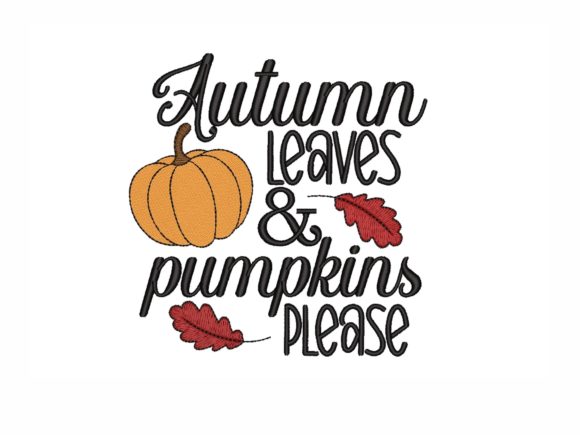
The first thing that strikes you about Autumn Leaves and Pumpkins is its balanced composition. Many seasonal designs lean too heavily into cliché imagery, resulting in cluttered layouts that are difficult to stitch cleanly. This design, however, maintains a nice breathing room between the pumpkins, the foliage, and the included autumnal quote. The mood is warm and inviting, perfectly suited for the transition from summer to winter.
From a technical standpoint, the layout suggests a thoughtful mix of stitch types. You can anticipate that the pumpkins will likely utilize fill stitches to create volume and texture, while the leaves may employ a combination of satin stitch for veins and edges, or perhaps a lighter running stitch for delicate detailing. The inclusion of text adds a layer of complexity, as typography in embroidery requires precise density management to ensure legibility without causing fabric puckering.
Real-World Application: The Tote Bag Test
To truly understand the value of an embroidery file, you must visualize it on a tangible item. I imagined using Autumn Leaves and Pumpkins for a custom tote bag design intended for a local farmer’s market. Canvas is a forgiving fabric, but it has a distinct weave that can interfere with small details. In this scenario, the larger elements of the pumpkins would stand out beautifully, providing a bold focal point. The quote, assuming it is sized appropriately, would add a personal touch that elevates the bag from a simple utility item to a handmade product with character.
For Etsy sellers and small shop product creators, this versatility is key. A design that works on canvas must also be considered for softer materials. If I were to apply this to a cotton kitchen towel, the stitch density becomes a primary concern. Too dense, and the towel becomes stiff and unusable; too light, and the design lacks impact. Based on the visual weight of the pumpkins, I would recommend using a cut-away stabilizer to support the weight of the threads, ensuring the towel remains functional while displaying the art clearly.
Apparel and Custom Gifts
Another strong use case for this design is custom apparel. Imagine a heather grey sweatshirt embroidery project for a family fall photo. The earthy tones typically associated with pumpkins and leaves pair exceptionally well with neutral garment colors. However, when working with knit fabrics like sweatshirts or t-shirts, the stretch of the material must be accounted for. A design with large solid areas, such as the body of a pumpkin, can restrict the natural give of the fabric if not digitized correctly. I would advise testing the embroidery project on a scrap piece of the same fabric to check for distortion.
For those creating personalized gifts, such as baby items or nursery decor, the scale of the design is crucial. While Autumn Leaves and Pumpkins is charming, it may need to be resized for smaller applications like baby embroidery on onesies. Reducing the size too much could cause the finer details of the leaves and the text to merge, losing clarity. Always check the minimum recommended hoop size provided by the designer to ensure the integrity of the design is maintained at smaller scales.
Technical Considerations and Challenges
No design is without its challenges, and honest review requires addressing potential pitfalls. One area where Autumn Leaves and Pumpkins requires careful handling is in the lettering. Small text in embroidery is notoriously difficult to read, especially on textured fabrics. If the quote is intricate, it may not translate well to dark fabrics unless high-contrast thread colors are used. I recommend creating a black and white printable mockup or simulating the design in your embroidery software to verify that the text remains legible against various backgrounds.
Additionally, consider the fabric texture. If you are stitching on a plush fleece or a thick towel, the pile of the fabric can swallow smaller stitches. In such cases, an applique design technique might be a better alternative if the file supports it, or you may need to adjust the underlay stitches to raise the design above the fabric nap. For curved surfaces like caps or hats, the rigid structure of the front panel is ideal, but the design placement must be centered perfectly to avoid visual distortion.
Commercial Viability and Brand Consistency
For craft business owners and commercial embroidery professionals, the consistency of your output defines your brand. Autumn Leaves and Pumpkins offers a professional aesthetic that can enhance customer trust. When a buyer sees clean lines, proper color transitions, and no loose threads, they perceive higher value. This design, with its clear thematic focus, fits well into a cohesive autumn collection. It allows for easy creation of design assets for social media previews, helping to drive engagement before the product is even stitched.
However, always verify the licensing terms. Whether you are selling the digital embroidery file itself or the finished product, understanding the rights associated with the design is non-negotiable. Most designers allow for commercial use of finished items, but restrictions may apply to mass production or digital redistribution. Confirm these details to protect your business.
Practical Tips for Best Results
To get the most out of Autumn Leaves and Pumpkins, follow these practical steps:
- Test on Scrap Fabric: Always stitch a test sample on the exact fabric you plan to use for the final product. This reveals issues with tension and density.
- Check Thread Contrast: Ensure your thread colors contrast sufficiently with the fabric, especially for the quote and leaf details.
- Use Proper Stabilizer: Match your stabilizer to the fabric weight. Heavier fabrics may need less support, while knits require robust stabilization to prevent shifting.
- Inspect Small Details: Zoom in on the design preview to identify any tiny elements that might break during stitching or get lost in the fabric weave.
- Verify Hoop Size: Confirm that your machine’s hoop can accommodate the full design dimensions without needing to re-hoop, which can lead to alignment errors.
Final Verdict
Autumn Leaves and Pumpkins is a solid addition to any seasonal library. It balances aesthetic appeal with practical stitchability, making it suitable for a wide range of projects from holiday embroidery gifts to boutique merchandise. While it requires standard precautions regarding fabric choice and stabilization, its versatile layout allows for creative freedom. For designers looking to add warmth and professionalism to their fall offerings, this design delivers on its promise. Just remember to respect the technical limits of your machine and materials, and the results will speak for themselves.