Reviewing Happy Puppy: A Craft Fair Best-Seller
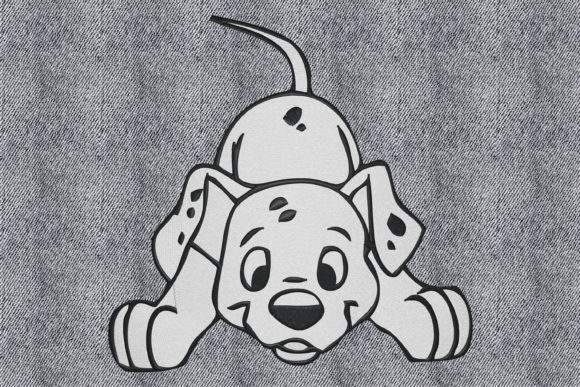
As an embroidery designer who has spent countless weekends behind a booth table, I know that not every design translates from the screen to the sales floor. When I first loaded the Happy Puppy machine embroidery design into my software, I was looking for more than just cute aesthetics. I was looking for a reliable craft fair product that could anchor a collection of handmade goods. The initial impression is immediate warmth. This isn’t a hyper-realistic portrait or a complex geometric pattern; it is a joyful, approachable depiction of canine charm. For sellers targeting the Dogs category, this design hits the sweet spot between playful and polished, making it an ideal candidate for a wide range of Embroidery applications.
First Impressions and Market Appeal
The visual language of Happy Puppy speaks directly to the impulse buyer. In a crowded market environment, customers scan tables quickly. They are drawn to faces, especially those that evoke positive emotions. This design feels soft, modern, and universally appealing. It avoids niche trends that might date quickly, opting instead for a timeless cuteness that resonates with dog lovers of all ages. Whether you position it as a farmhouse accent or a modern nursery staple, the versatility is inherent in the line work and composition. For an Etsy seller or small shop product owner, this means the design can serve multiple seasonal campaigns without feeling out of place.
Strategic Product Placement for Maximum Sales
To maximize revenue, you must match the design to the right substrate. Based on my experience with similar digital embroidery files, here is how Happy Puppy performs across different items:
- Tote Bags and Market Bags: This is perhaps the strongest application. A tote bag design needs to be visible from a distance. Placing Happy Puppy centrally on a canvas tote creates an instant conversation starter. The sturdy fabric holds the stitches well, allowing the thread colors to pop against natural cotton or dyed backgrounds.
- Apron Embroidery: Kitchenware is a high-volume category at craft fairs. An apron featuring this cheerful pup appeals to home cooks and pet owners alike. It adds a personal touch to a functional item, increasing its perceived value as a giftable handmade product.
- Tea Towel Embroidery: Tea towels are excellent low-price-point items. However, caution is required. The fabric texture of waffle weave or linen can distort small details. Ensure the design is scaled appropriately so the puppy’s features remain clear and do not get lost in the weave.
- Embroidered Patches: Patches are trending heavily. If the file allows for a smaller hoop size without losing integrity, turning Happy Puppy into an iron-on or sew-on patch creates a versatile accessory. Customers love adding these to denim jackets or backpacks.
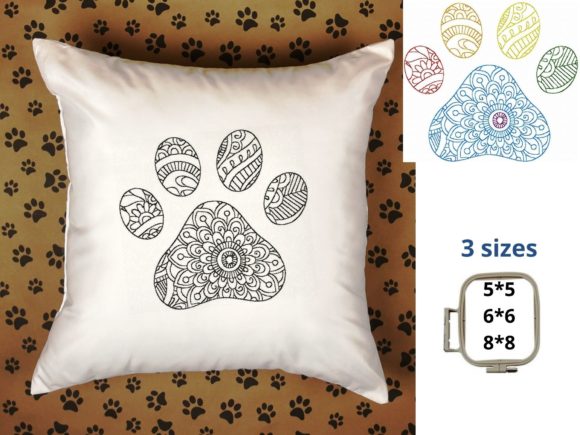
- Pillow Covers: For home decor, this design works beautifully on square pillow covers. It serves as a focal point that softens the look of a living room, appealing to buyers looking for cozy, decorative accents.
Production Practicality and Batch Efficiency
For the commercial embroidery professional, time is money. A design that looks great but takes forty minutes to stitch is less profitable than one that stitches cleanly in fifteen. While the exact stitch count and file format details should be verified in the specific product description, the visual complexity of Happy Puppy suggests a balanced approach. It appears to use solid fills for impact but likely avoids excessive density that causes puckering. This makes it suitable for batch production. You can hoop multiple items, run the machine, and move on to finishing touches like trimming threads and pressing.
Photography is another critical factor. This design photographs exceptionally well for online listings. The clear lines and expressive nature of the puppy translate into sharp, engaging images for your Etsy shop or social media. Creating a printable mockup before you even stitch the first unit can help you visualize color combinations and plan your inventory mix.
Critical Technical Considerations
Even the best digital embroidery file requires careful handling. Here are the technical nuances I recommend addressing before you commit to a large production run:
- Stitch Density and Fabric Choice: Always test the design on scrap fabric first. If you are using thick fabric like denim or canvas, ensure your needle is heavy enough to penetrate without breaking. For textured towels, consider using a water-soluble stabilizer on top to prevent stitches from sinking into the pile.
- Thread Colors: The choice of thread colors can make or break the design. High contrast works well for visibility, but subtle tonal variations can create a more premium, sophisticated look. Test at least three colorways to see which resonates most with your target audience.
- Hoop Size and Scaling: Confirm the recommended hoop size. If you scale the design down too much for a small pocket or cap, fine details may merge or become indistinct. Conversely, scaling up too much might reveal pixelation or awkward spacing between elements. Respect the original proportions unless the file is specifically designed for resizing.
- Stabilizer Selection: Use the right stabilizer for the job. Cut-away stabilizer is generally best for garments that will be washed frequently, such as t-shirts and sweatshirts, to maintain shape. Tear-away may suffice for stable fabrics like tote bags, but test for durability.
- Curved Surfaces: If applying this to caps, remember that curved surfaces distort designs. You may need to adjust the placement slightly higher or lower than usual to account for the curve of the crown. A specialized cap frame is essential for consistent results.
Enhancing Brand Consistency and Buyer Engagement
Incorporating Happy Puppy into your lineup does more than add a product; it strengthens your brand narrative. If your shop focuses on joy, comfort, or pet-loving lifestyles, this design assets aligns perfectly. It creates a cohesive look when displayed alongside other items. At a craft fair, a booth with a consistent theme draws people in. Seeing this happy face on a tote, then again on a mug wrap or a pouch, creates a sense of collection. Buyers are more likely to purchase multiple items if they feel they are curating a themed set.
Furthermore, the emotional connection drives engagement. People stop to smile at the puppy. That moment of connection is your sales opportunity. It invites questions about the process, the fabric, and the story behind the brand. Use this interaction to highlight the quality of your finished product. Point out the clean backing, the precise stitching, and the durable materials. These details justify your price point and build trust.
Final Verdict for the Creative Entrepreneur
Before you launch, always confirm commercial licensing terms. Ensure that the digital embroidery file you purchase grants you the right to sell finished products. This is non-negotiable for professional integrity. Once cleared, Happy Puppy stands out as a robust addition to any embroidery business. It balances aesthetic appeal with production efficiency. It is versatile enough for various textiles yet distinct enough to be recognizable. For the craft fair seller looking to boost mid-range pricing items like aprons and totes, or the Etsy seller needing fresh, emotive content, this design delivers. It transforms simple fabric into a cherished keepsake, proving that in the world of handmade goods, happiness is indeed a viable business strategy.